
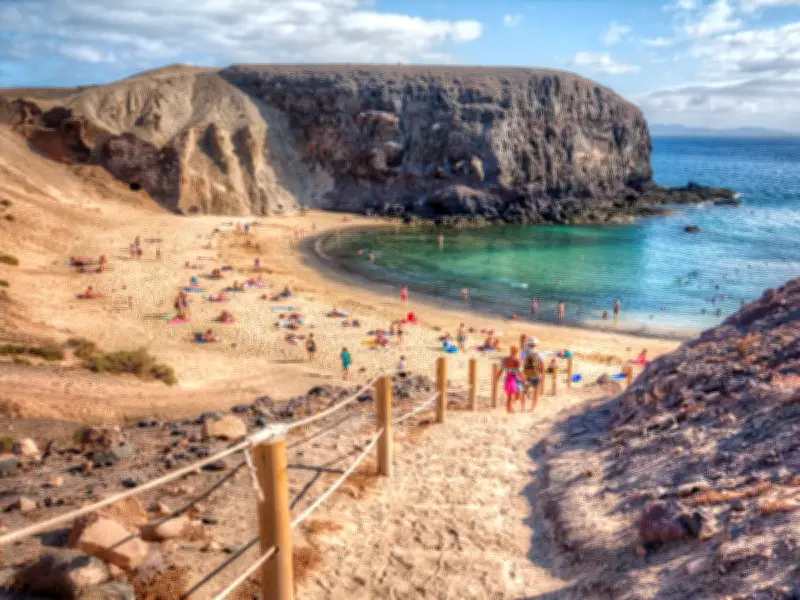
Fodor's, the American travel publication, has placed the Canary Islands on its No List for 2026, warning that 100 million litres of virtually untreated wastewater are discharged into the sea around the islands every day. The list is a compilation of destinations that visitors ought to reconsider.
Health warnings from environmental groups
ATAN (Tenerife Association of Friends of Nature) has cautioned that swimming in the Canary Islands poses a health risk. Juan Rumeu, president of the Canary Islands Business Association of Environmental Consultants, stated that discharges of raw sewage along the coast are a very serious public health issue. He noted that it can take up to three days for a beach to be closed after a discharge has been reported.
"It takes days to get the test results back," Rumeu said. "What happens during the 72 hours before a beach is closed? What about all the people who swam there beforehand?"
Residents report growing challenges
Alba Domínguez, a resident, told El Diario that finding a safe stretch of coastline for bathing has become progressively challenging. "The first thing I check before choosing a beach is that there are no contamination warnings and that it isn't near areas that have been closed for the same reason," she said. She recalled spending entire summers at the beaches of El Médano when she was younger, but added: "Now, it's one of the areas where I wouldn't go swimming, it's completely out of the question."
Recent beach closures
Leocadio Machado Beach in El Médano, popular among watersports enthusiasts, was closed earlier this month due to elevated concentrations of E. coli. On 6 July, bacterial counts failed to meet minimum European standards, with approximately 800 CFU (Colony-Forming Units) per 100 ml of water. The beach reopened on 9 July, though the City Council said the source of pollution remains unidentified.
In Lanzarote, the capital's main beach remained closed for six months due to faecal contamination. At Playa Blanca, a well-frequented tourist destination in the south, another beach was closed in June for the same reason. On Gran Canaria, faecal contamination has been documented at El Confital beach for more than eight years, with swimming still prohibited according to the latest sampling data from the National Bathing Water Information System.
Health risks from untreated sewage
The World Health Organisation has warned that untreated sewage can contain pathogens such as rotavirus, enterovirus, hepatitis A, and Salmonella, potentially causing diarrhoea, fever, vomiting, respiratory ailments, and skin infections, among other illnesses.




