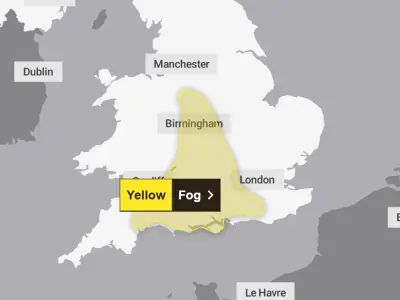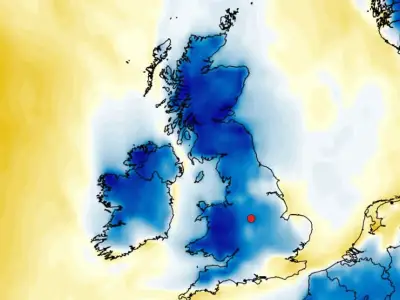
Dog owners are being urged to keep a close eye on their pets during the UK's first widespread frost, with advice to skip walks entirely when temperatures fall to -4°C or below. The Met Office has warned that some hill snow is possible in the coming days, and cold health alerts have been issued across the West Midlands and North West of England, running from 9am on Thursday until 12pm on Saturday.
Overnight temperatures are widely expected to drop below freezing, potentially plummeting to -7C. As the country bundles up against the bitter chill, many owners will be eager to maintain their regular walking routines and enjoy the crisp winter air, but there comes a point when venturing outside becomes unsafe for dogs.
What temperature is too cold for dogs?
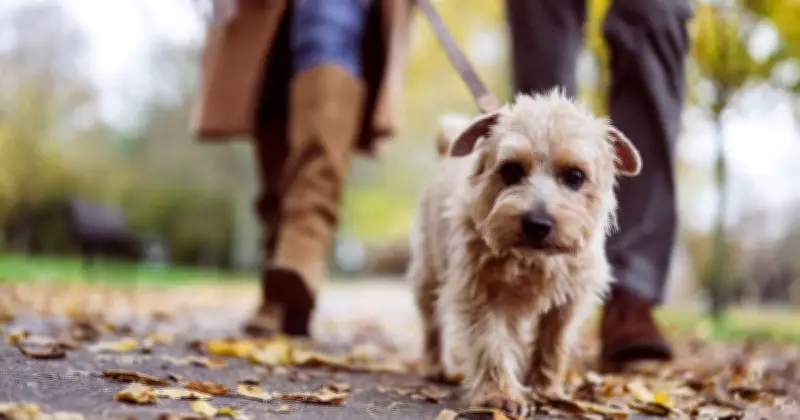
Much like their owners, every dog responds differently when it comes to handling cold weather. Some breeds are far better equipped to withstand the chill, while others can struggle with even a mild drop in temperature. Those that find the cold particularly challenging tend to have a thin coat and prefer the comfort of coats and blankets, and these dogs may find temperatures as high as 5°C difficult to tolerate.
Smaller dogs, puppies, elderly dogs, and slender breeds may begin to struggle at around 0°C. Should temperatures reach zero and your dog falls into one of these categories, it is advisable to skip the walk altogether. When temperatures plummet to -4°C or below, it is advised that walks should be avoided, as such freezing conditions pose significant health risks to dogs that could be prevented by keeping them indoors.
How to know if your dog is too cold
Should a dog spend excessive time outside in freezing conditions, they could develop hypothermia, frostbite, and cracked paws, pads, or noses. There are tell-tale signs that will indicate whether your dog is struggling with the cold, including shivering, whining, refusing to move, lifting their paws up, seeking out warmth, or appearing disorientated.
Should you notice any of these symptoms, it is essential to bring your dog indoors and warm them up carefully. Veterinary attention should be sought immediately if you suspect they may be suffering from hypothermia.
How to keep dogs warm
If your dog displays signs of struggling in cold weather, consider fitting them with a dog coat or shortening your walks. It is particularly recommended that slim and thin-coated dogs wear a jacket. Encouraging them to play and run can prove beneficial, as physical activity generates body heat.
During particularly cold spells, it is advisable to walk dogs during the warmest periods of the day, which is typically between 11am and 3pm throughout the winter months. If your dog is unaccustomed to the cold or clearly dislikes it, keep walks brief until they adjust.