
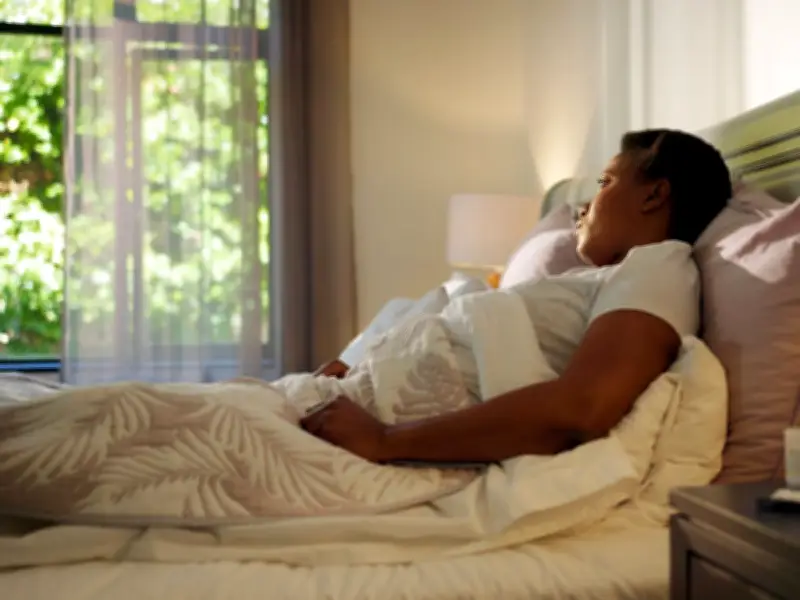
A warning has been issued as millions of Brits experience hay fever allergy torment after lights out, according to fresh research. While just under a fifth (17%) battle classic symptoms such as sneezing, itchy eyes and a runny nose outdoors, for countless Brits the genuine fight kicks off at bedtime. Over 8 million (12%) report their symptoms peak during the night, leaving them tossing, turning and struggling to achieve quality sleep.
Bedroom Blunders Worsen Symptoms
A survey of 1,000 Brits, commissioned by sleep tech firm Simba, discovered that the overwhelming majority of British adults (84%) make at least one bedroom blunder that worsens hay fever symptoms. According to the Sleep Charity's Deputy CEO Lisa Artis, Simba's non-profit partner, as pollen levels soar across the UK this week, the sleep specialist warns about the 'Pillow Pollen Trap' – a pattern where allergens transported into the bedroom accumulate during the day.
Hay fever symptoms can feel more severe at night because pollen particles stick to hair, skin, clothing and pets throughout the day, making their way indoors and settling onto bedding and sleeping spaces. Combined with the impact of lying down, which can make nasal congestion feel more pronounced, the outcome is persistent blocked noses, coughing bouts, disrupted sleep and next-day fatigue.
Prevalence and Impact
An estimated 16 million people in the UK are impacted by hay fever, a widespread allergic reaction caused by pollen from trees, grasses, weeds and other plants. The condition occurs when the immune system wrongly treats harmless substances like pollen, dust mites or pet dander as dangerous invaders, releasing histamines that trigger sneezing, itchy eyes and a stuffy or streaming nose.
Simba's study revealed that almost one in ten Britons (9%) say hay fever symptoms routinely interfere with their sleep throughout summer, while 16% admit to waking up feeling bunged up when pollen counts are elevated. The research also discovered that more than a third (32%) hang their bedding outdoors to dry during summer months, and 27% climb into bed without showering first – all practices Artis reckons could heighten overnight contact with allergens, worsening symptoms.




