British households are being urged to prepare a nine-item emergency kit at home as the El Niño weather phenomenon could increase storm risk and bring challenges this winter. Security Minister Dan Jarvis said he wants to ensure communities are as resilient as possible, admitting there are likely to be "a number of challenges" facing the country this winter.
Government campaign and preparedness levels
The Government will unveil a nationwide campaign to help Britons understand the appropriate provisions, essential items to store in cupboards, evacuation routes, and emergency contacts to maintain. This follows a study that found only 13% of individuals believe their household is substantially or fully prepared for a catastrophe.
According to GOV.UK, a significant El Niño is likely to occur towards the end of 2026, "with some forecasts predicting the strongest event on record". There are "clear signals indicating further development of the current El Niño event", with its peak expected in December 2026.
Potential impacts on UK weather and food supply
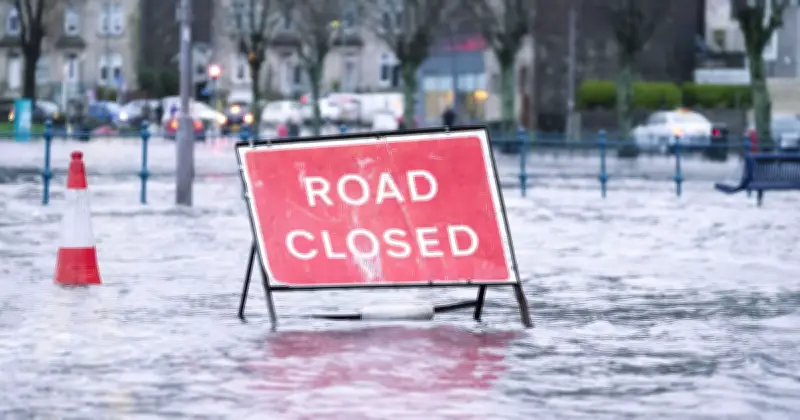
The UK weather will be significantly affected, given the "potentially unprecedented nature of this El Niño," although these effects are uncertain. Scientists report that the El Niño climate phenomenon has now reached its most powerful level ever recorded, potentially bringing heightened rainfall and storms this autumn alongside severe cold spells in winter. The event may also disrupt weather systems globally, raising concerns about worldwide food supply networks.
The Government warned: "Secondary effects of El Niño on global food supply chains have the potential to reduce yields and drive up prices, particularly in regions with already low food security." The Met Office said: "We expect the influence of El Niño to start to increase the chances of wetter, stormier conditions for NW Europe, including the UK, in the coming autumn and early winter."
The nine essential items for your emergency kit
The recommended emergency kit includes: a battery or wind-up torch (safer than candles); a portable power bank for charging mobile phones; a battery or wind-up radio for updates during a power cut, with a car radio as an alternative; spare batteries for torches and radios, plus a backup battery for medical equipment; a first aid kit with waterproof plasters, bandages, a thermometer, antiseptic, eyewash solution, sterile dressings, gloves, medical tape, and tweezers; hand sanitiser and wet wipes for hygiene if water is off; bottled water — a minimum of 2.5-3 litres per person per day is recommended by the World Health Organisation, with 10 litres per person per day for comfort and basic cooking and hygiene needs, plus extra for baby formula, medical devices, and pets; non-perishable food such as ready-to-eat tinned meat, fruit or vegetables (with a tin opener), and pet food; and baby supplies, mainly nappies and ready-made baby formula, as boiling water may not be possible.
Source: GOV.UK. For more information on how to prepare for emergencies, visit the Government's website.