
A decade ago, Britain was sold a simple narrative: take back control, borders, waters, and laws. The promise extended beyond leaving the European Union, pitched as a national reckoning where forgotten communities would flourish. Farmers would thrive, coastal towns would prosper, and small businesses would be freed from red tape.
Now, from Boston farmland to Brixham fishing quays, that promise has met the people asked to believe in it. The response is not gratitude but weary fury, as communities feel flattered, photographed, and quietly filed away once the celebrations ended.
Brexit Delivered, but at a Cost
The standard defence is that Brexit was sabotaged, but in reality, Brexit was delivered. Britain left the EU, the Single Market, and the Customs Union. However, it also lost the ability to live, work, study, and retire in Europe. Businesses faced increased paperwork at borders, and farmers lost easy access to labour that previously came via freedom of movement.
None of this was sabotage; it was cause and effect. What was never delivered was the painless, costless Brexit promised by Nigel Farage—a fantasy where Britain severed ties with EU institutions while retaining their privileges.
Boston: The Poster Town of Brexit
Boston, which voted Leave with over 75% support, epitomizes the broken promises. Underlying grievances—rapid demographic change, a sense of being overlooked—were genuine. But a decade later, contradictions are stark.
Chris Wray, a fifth-generation farmer on 700 acres, can no longer afford to employ his own children. EU support payments once constituted the entire margin for many farms; removing them, coupled with rising costs for fuel, fertiliser, and labour, has reduced farming to subsistence. The Eastern European workers targeted in referendum anger were the ones keeping farms running; ending freedom of movement made crops harder to harvest.
Irony of Solar Farms
Farmers are now converting land to solar panels, as generating electricity is more reliable than growing food. Boston is represented by Reform's Richard Tice, a vocal opponent of solar farms, meaning local farmers are kept solvent by the technology their MP opposes.
Brixham: Fishing Industry Betrayed
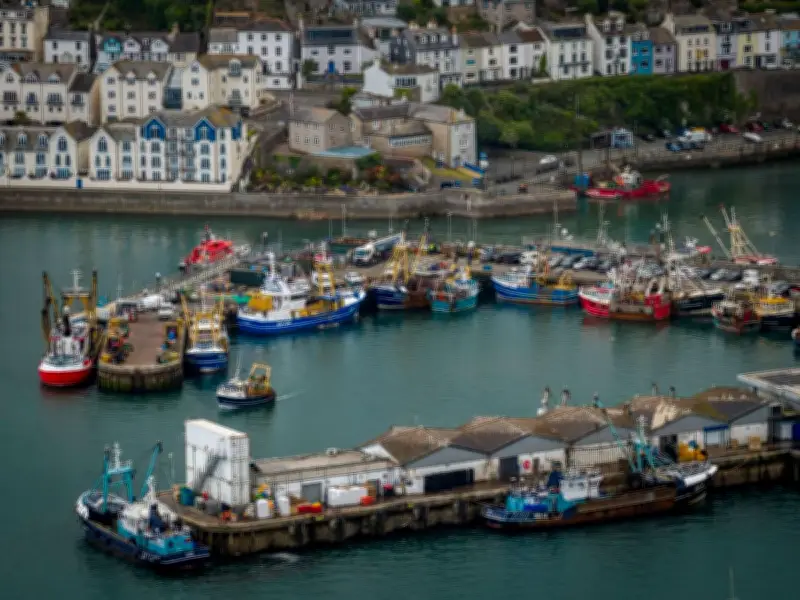
In Brixham, fishing—central to the Leave campaign—has also suffered. Trawlermen were promised British waters for British boats. Instead, they face heavier bureaucracy, quotas consolidated into corporate hands, and a 12-year extension of EU access to British waters, quietly agreed.
Martin Rogers, a fisherman of 60 years, would not vote the same way. Barry Young, a fish boss, says he was lied to. Skipper George Shipley states fishermen were fed a story to get the vote through, with nothing to show for it.
Anger Directed at Westminster
The anger is not aimed at Brussels but at Westminster, at politicians who borrowed the moral authority of working people for photo opportunities, then traded fishing away. The politics that helped manufacture crises now campaigns against solutions. Communities are encouraged to stay angry but offered little help.
The grievances behind the original vote deserved serious answers. Instead, communities got slogans. Ten years on, Britain took back control, but control does not fill a boat, harvest a field, or save a farm. They were promised power; they are now holding the bill.




