Brazilian Activists Halt Amazon River Privatisation in Victory Over Cargill
In a stunning triumph for environmental and Indigenous rights, campaigners in the Brazilian Amazon have successfully halted plans to privatise the Tapajós River. This victory was achieved through a bold occupation of a grain terminal operated by Cargill, one of the United States' most powerful corporate giants in global trade.
A Triumph for Life and Ancestral Memory
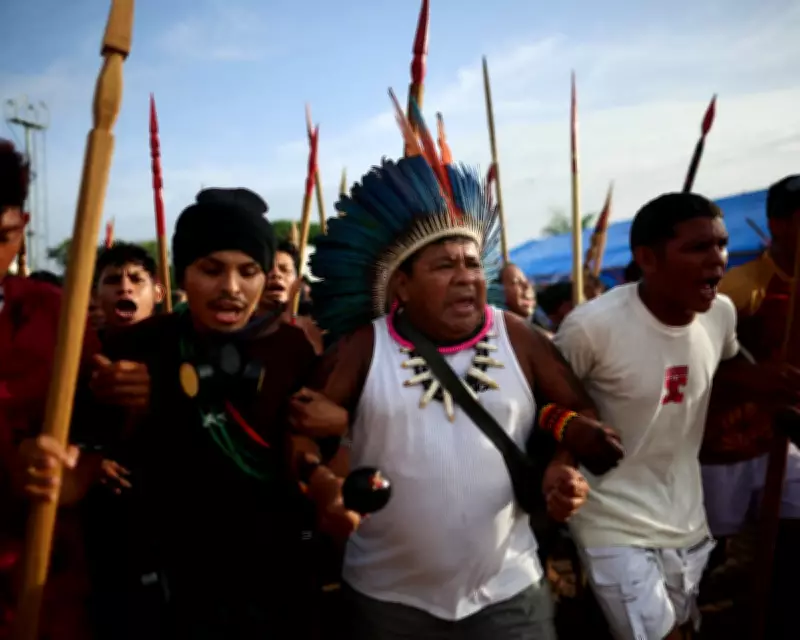
"A victory for life" was the jubilant declaration from Indigenous activists this week, as they celebrated forcing the Brazilian government to reverse its decision. The campaigners, hailing from the Munduruku, Arapiun, and Apiaká peoples, proclaimed, "The river won, the forest won, the memory of our ancestors won." Their actions in Santarém disrupted a scheme to transform one of the world's most scenic waterways into an expanded soy canal, highlighting a clash between local defenders and formidable forces of global capitalism.
David vs. Goliath: The Mismatched Contest
Approximately 1,000 local river defenders stood against Cargill, a behemoth generating over $160 billion annually and employing 155,000 people. This company handles more than 70% of the soy and maize shipped through Santarém, making it a linchpin in the global food trade, particularly with China. The activists' waterborne invasion of the Cargill terminal last week, following an earlier boarding of a grain barge, brought business to a standstill, underscoring the high stakes of this conflict.

Government Plans and Environmental Backlash
The Brazilian government, backed by foreign finance and multinational traders, had aimed to privatise federal projects on the Tapajós, Madeira, and Tocantins rivers. President Luiz Inácio Lula da Silva's decree last August put dredging and traffic management up for auction, threatening to accelerate the Tapajós' transformation into a "hydrovia"—a river-turned-megacanal. While officials argued river shipping is more efficient and less polluting than road transport, Indigenous groups warned of dire risks to territories, biodiversity, and traditional ways of life.
Environmental Degradation and Community Struggles
Once famed for its crystalline waters, the Tapajós now suffers from arsenic pollution from illegal mining and diesel spills from soy barges. Communities are still reeling from a severe drought during the last El Niño, which crippled navigation and access to essentials. Munduruku leaders expressed fears that privatisation would exacerbate these issues, prioritising agribusiness over forest preservation and local welfare.
Global Implications and Scientific Warnings
This victory carries profound global significance, as the Amazon plays a critical role in climate regulation by absorbing carbon dioxide and generating rainfall valued at $20 billion annually for agriculture and water systems. Scientists warn that the Amazon is "perilously close to the point of no return," with extractive industries degrading these vital assets without accountability. Indigenous defenders like Alessandra Korap Munduruku, who led protests including a blockade at Cop30, are providing a crucial service by safeguarding these ecosystems.
Looking Ahead: An Ongoing Battle
While this reversal marks a significant win, the war against corporate exploitation in the Amazon is far from over. The actions of these activists serve as a powerful reminder of the need for stronger environmental governance and support for local campaigns. As global attention turns to sustainability, their courage offers a beacon of hope in the fight to protect our planet's natural heritage.