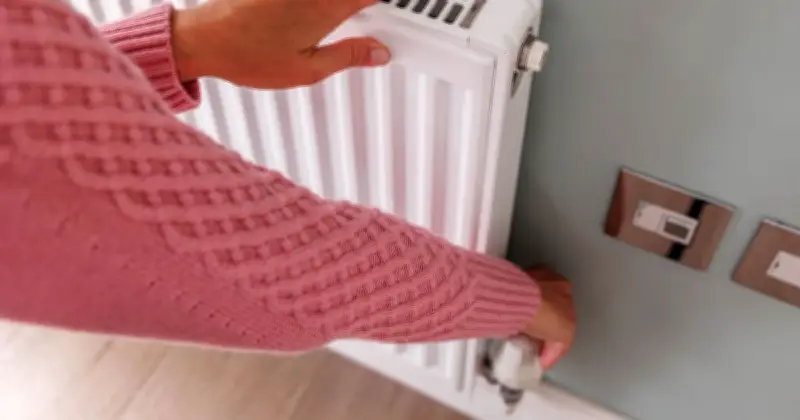
As temperatures drop, engineers at Vaillant recommend a simple five-minute radiator task to help homes warm up faster when heating is switched on.
Why bleeding a radiator matters
Autumn has begun, meaning colder weather is on the way and the need for central heating will increase. While some households may have already turned on their heating, others are holding out a little longer, perhaps until October 20 – the date heating experts are recommending.
Regardless of when you decide to turn on your heating, one major problem households face during the start of the colder seasons is their radiators not performing as they should. If your radiators are not heating up properly, there’s a good chance that “they’re in need of bleeding”, according to the engineers at Vaillant.
They said, “Radiator bleeding is the process of letting any trapped air escape from your home’s heating system, which will increase heating performance, get rid of those rattling sounds, and ultimately save you money on your heating bill in the long run.”
How to bleed a radiator
To handle the job, you’ll need a couple of common tools. The first is a radiator key, used to open the radiator valve. The second is a bucket and cloth, as the radiator will leak water when the air has fully escaped.
Next, switch off your heating and allow the radiator to cool down completely. The engineers advised, “After switching off your heating, you should wait for one hour and let the pipes and radiators cool down. The bleeding process itself takes approximately five minutes for each radiator.”
To bleed the radiator, locate the valve, which is typically at the upper side of the radiator – it looks like a small round hole with a little square inside. Slowly turn the key anti-clockwise. A quarter to half a turn should be enough to open the valve for air to be released.
When doing this, you’ll hear a hissing noise as soon as the air is released. Make sure to stop opening the valve when you hear that sound to avoid excess water leaking out of the radiator.
Finishing the job
Once the hissing stops and there’s just water coming out, the radiator has been bled and the valve can be closed. Let a small amount of water run before closing the valve by turning the key clockwise. Make sure not to close the valve too tightly to avoid any damage. For those who have more radiators to bleed, it’s best to do all the ones downstairs before heading upstairs.
Before switching the heating back on, check the water pressure on the boiler, as you may get an F22 fault code. The boiler should read between 1 and 1.5 bar of pressure when the central heating is cold. If the pressure is too low, you need to refill the heating water. Finally, check if all radiators are warming up properly.