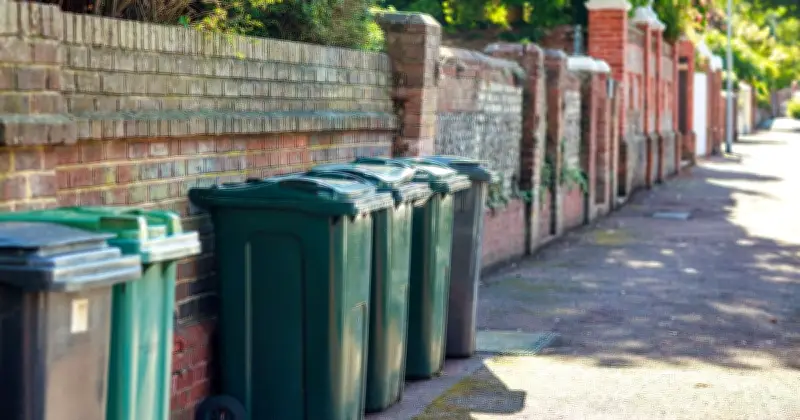
Households are being warned that using standard black bin liners in garden waste bins could lead to councils refusing collections or issuing fines. Waste experts say plastic liners contaminate green waste and cannot be processed at standard recycling or composting facilities.
Why black plastic bags are a problem
Black plastic bags cannot be processed at standard recycling or composting facilities. Sorting machines struggle to identify the dark plastic, which can easily tangle with and clog heavy machinery.
Ali Ligee, waste management expert at Rubbish.com, revealed that garden waste blunders always surge at this time of year as councils prepare to pause or reduce collections for the winter months. She warned: "People rush to clear up their gardens before the service ends and end up putting all sorts of things in the wrong bin. Soil, stones, plastic pots, even food - all of these can contaminate green waste and cause entire lorry loads to be rejected."
Zero-tolerance policies and fines
While most local authorities issue warnings first, repeat offenders can be fined or have their bins left uncollected. Many local councils now enforce strict zero-tolerance policies, instructing bin crews to leave any bins with visible plastic contamination behind.
Ms Ligee added: "Plastic bags are one of the worst offenders. People think lining their garden bin will make it cleaner, but those bags can’t be processed and often end up choking the composting equipment."
How to avoid contamination
Green waste should always go directly into your garden bin, loose or wrapped in special compostable liners approved by your local authority. Tossing standard plastic sacks or black bin liners into your garden bin can instantly ruin a perfectly good load.
Ms Ligee added: "That’s frustrating when you’ve spent hours cleaning up leaves. But it’s not the crews’ fault. Once a bag breaks, the whole load’s ruined."