After weeks of bone-dry weather, forecasters say rain is on the way for parts of the UK. Bird charities warn that downpours could create a nasty problem in gardens for anyone with bird feeders. It can mean that people trying to do the right thing by offering garden birds food may end up creating a disease hotspot, but cleaning can help prevent issues.
Disease risk from wet conditions
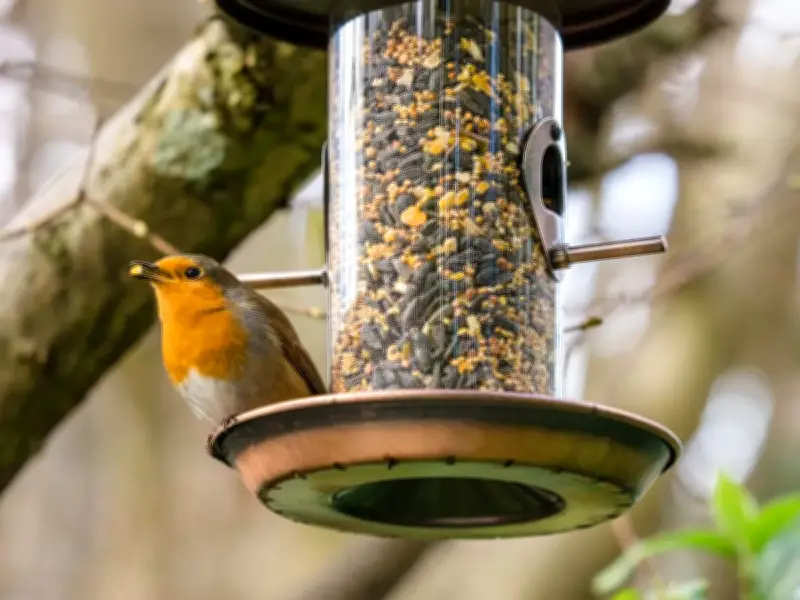
Gardens can offer a lifeline for wildlife in summer, especially when natural food is harder to find due to dry soil, by topping up feeding stations with mealworms and fat balls. Yet when birds bunch together at feeding stations, germs on surfaces, seeds, or water can spread more quickly, and warm, wet weather can help some of these threats survive longer.
One illness causing concern is trichomoniasis, a parasitic infection that can be fatal and is often transmitted via saliva or contaminated food and water. The risk rises when lots of birds share the same perches and feeding ports day after day.

Wet conditions can make it harder to keep feeders safe and hygienic because old feed becomes soggy and the surrounding areas remain damp. Wet bird food during the summer leads to the quick development of harmful mould and bacteria. The warm temperatures and high humidity allow these germs to grow much more quickly than at other times of the year. Consuming spoiled or damp food can seriously harm garden birds or even be deadly.
RSPB cleaning advice
The Royal Society for the Protection of Birds (RSPB) has a simple message - treat feeder cleaning like a weekly job, not an occasional one. It advises cleaning outside while wearing gloves, then binning any leftovers rather than tipping them back in. Take the feeder apart so you can reach every corner where old food and bird droppings can collect.
Wash everything with hot, soapy water and scrub thoroughly before rinsing. Then disinfect with a bird-safe product or a mild, diluted bleach solution, rinse again, and let it dry completely before refilling.
Never attempt to compost or recycle damp leftover bird food, as the parasite can linger in organic waste. Always seal contaminated food inside a sturdy bin bag and dump it straight into your outdoor wheelie bin.
Placement and spotting sick birds
Placement matters too, with people urged to avoid hanging feeders beneath popular perching or roosting spots such as trees. Droppings can land in the feeding area, helping spread contamination from bird to bird.
If you can, shifting feeders to a new spot each week may also help reduce crowding and limit mixing of different species in one place. It's another small step that can lower the chances of disease building up in a single 'busy' corner.
If you spot sick birds, the guidance is to stop feeding for at least three weeks and empty bird baths as well. Only start again once you're no longer seeing signs of illness in the garden visitors.
Birds infected with trichomoniasis often appear fluffed up, lethargic, or struggle to swallow food, with saliva dripping from their beaks. Spotting these grim signs early is key to stopping a major outbreak in your neighbourhood.
Wild birds usually shouldn't be treated at home, and experts say it can be kinder to leave them in the wild. Suspected illness or unusual deaths can be reported to the Garden Wildlife Health project, which tracks threats affecting British wildlife.