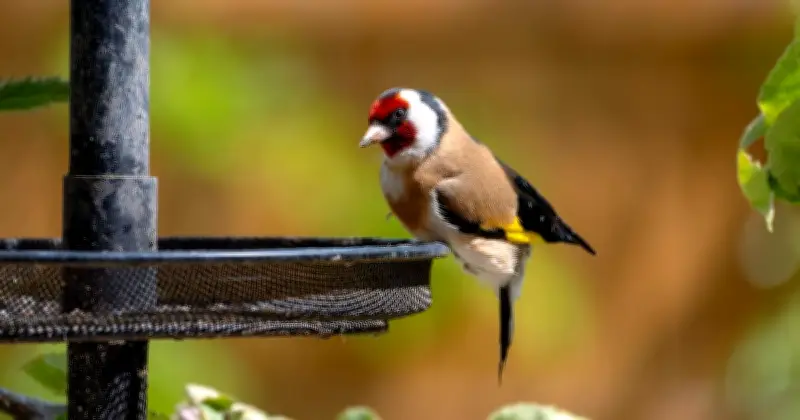
Garden bird lovers are being warned that a quick top-up of mealworms, fatballs or suet at feeding stations could turn risky for wildlife in summer. With rain forecast in parts of the UK after weeks of dry weather, as helpful as feeders can be, they could become a breeding ground for germs.
One of the biggest threats to wild birds is trichomonosis, a parasitic disease that can kill birds and is passed on through saliva or contaminated food and water. With birds crowding around feeders in summer - and warmer temperatures helping the parasite survive longer outside a host - the chances of infection can climb quickly.
Rain increases contamination risk
The advice comes as rain returns for many parts of the UK this week. This can leave leftover food and surrounding surfaces damp, making it harder to keep bird-feeding areas clean.

The Royal Society for the Protection of Birds (RSPB) claims that the best practice for anyone with a bird feeder is simple - clean it weekly. Use hot, soapy water and replace old food to thoroughly eliminate any lingering disease.
How to clean feeders safely
Do the cleaning outdoors and wear gloves. First, tip any leftover seed into an outdoor household bin (don't reuse it or compost it), then fully dismantle the feeder so every part is accessible.
Scrub all parts in a bucket of hot, soapy water using a brush to remove old food and droppings, then rinse. Disinfect with a non-toxic product such as Ark-Klens or a mild 5% bleach solution, rinse again with fresh water, and leave everything outside to dry completely before reassembling and refilling; finish by washing your hands and forearms thoroughly with soap and water.
Feeder placement and moving
Where you put the feeder matters, too, with households urged not to hang them under popular roosting spots like trees. The warning is that droppings can fall into feeding areas and spread contamination from bird to bird.
The charity also suggests moving feeders around each week (if possible). They claim it will "reduce the number of birds in one place and the mixing of different species".
What to do if you see a sick bird
People should currently observe the RSPB's 'pause' on filling bird feeders with seeds or peanuts until October 31 to stop the spread of disease among garden birds. Between November 1 and May 1, garden owners are encouraged to support wild birds with a full range of bird foods - including mealworms, fatballs or suet.
If you suspect disease in garden birds, it's best to pause feeding for at least three weeks and empty any bird baths. Only start putting food out again once you're no longer seeing birds showing signs of illness.
Treating wild birds is rarely recommended, and it may be kinder to leave them in the wild. You should report any sickness or deaths among garden wildlife to the Garden Wildlife Health (GWH) project, a partnership between ZSL, the BTO, Froglife and the RSPB that monitors British wildlife health and tracks disease threats.