A binman has revealed the correct method for disposing of used cooking oil at home, warning it should not go in the food waste caddy.
Why cooking oil is a problem
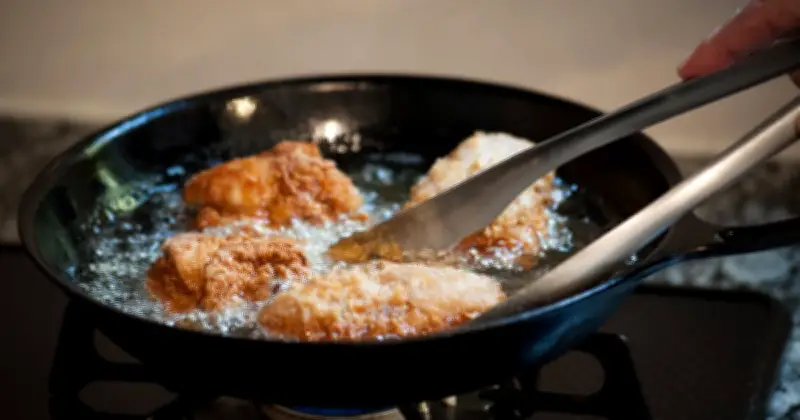
For those who regularly prepare meals at home, used cooking oil presents challenges, especially when large amounts have built up, such as following deep-frying sessions. It is widely understood that pouring it down the sink is absolutely forbidden, as it solidifies rapidly and creates blockages requiring expensive professional intervention.
Water UK, the organisation representing the water industry, cautions that fats, oils and grease disposed of down drains are a major contributor to the 300,000 sewer blockages occurring throughout the UK annually, with clearance costs reaching approximately £100million.
What the binman advises
According to one waste collection expert on social media, the food waste caddy is just as wrong. The No1 Binman on TikTok, a self-proclaimed 'binfluencer', regularly provides useful guidance to help the British public work out which items can be discarded and which cannot. Much of his content responds to questions from followers, and he recently addressed the ongoing confusion surrounding proper disposal methods for used cooking oil.
He explained: "Used cooking oil should go in your general waste. Do not put it in the food waste, and definitely not the recycling bin."
This guidance is supported by official advice, which recommends allowing the oil to cool, sealing it in a container, and then placing it in the general waste bin.
How to dispose of it safely
However, the No1 Binman also emphasised that oil shouldn't be poured directly into the bin, as this risks damaging the liner. He recommended: "If you can, put it in a container or something that can't be recycled and then put it in your general waste. It stops it from going anywhere in case a bag splits. A family-sized amount of oil is OK to put in general waste."
A carton or jar serves as a perfect example of an appropriate receptacle, and make sure it has a secure, tight-fitting lid. That said, the waste collector highlighted one significant exception to this advice. He said: "If you've got loads of it, like commercial, then no, it doesn't go in your general bin. You'd have to either contact your council or get someone else to come and collect it. But if it's just like a normal family-sized amount of cooking oil, then it'll just go in your general waste."
Other options for larger amounts
For larger volumes, numerous local authorities throughout the UK run household waste recycling facilities where cooking oil can be deposited separately. Certain regions also provide designated cooking oil collection sites, and spent cooking oil can even be converted into biodiesel - a renewable energy source - making it worthwhile to investigate what your local council provides before simply discarding it.
For those keen to derive additional benefit from their surplus cooking oil, specialists at Zero Waste Scotland have suggested some straightforward recycling options. It can be applied to your garden shed or fence as an alternative water-resistant coating, as it won't mark the timber and is entirely safe to utilise around animals and plants. Alternatively, cooking fat from chicken or bacon can be transformed into a homemade treat for garden birds. Simply pour it into an appropriate container, combine with bird seeds and nuts, allow it to solidify, then position it outside for the birds to enjoy.