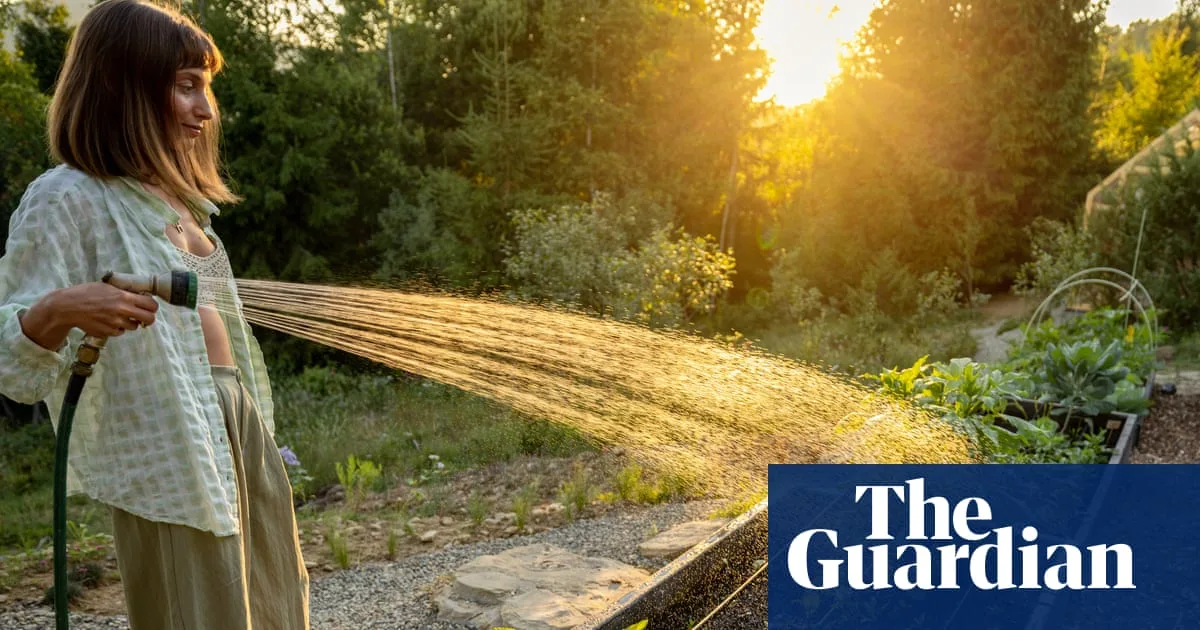
Expert Tips: Best Time to Water Plants During UK Heatwave
Best Time to Water Plants During UK Heatwave

The UK is experiencing a record-breaking heatwave, with temperatures soaring to the highest ever recorded in May. While the hottest May temperature record was broken on Tuesday, cloud cover and a developing easterly wind are expected to bring a reduction in temperature highs from Wednesday.

How to Care for Your Garden in the Heat

According to Nick Turrell, RHS horticultural advisor, gardening in a heatwave is about risk management. He notes that some plants are more susceptible to heat, including hydrangeas, Japanese maples, fuchsias, astilbes, and roses. In contrast, lavender, rosemary, sedum, and other succulents cope better.

1. Water Wisely

Water plants in the morning so they stay hydrated during the day. Avoid spraying leaves; instead, direct water to the roots using a watering can rather than a hose, which can lead to evaporation. Melissa Quinney from Cabin Master suggests using greywater from baths or washing up (free from harsh chemicals) during hosepipe bans. Charles Carr of Hillier Nurseries recommends watering less frequently but more thoroughly. Nick Hamilton advises watering only if necessary, as wilting plants often recover quickly after watering. Prioritize plants planted within the last 12 months, especially newly planted trees.

Wide Pickt banner — collaborative shopping lists app for Telegram, phone mockup with grocery list

2. Mulch the Surface

Nigel Lawton of Dobbies suggests covering container plants with gravel, bark, or compost to lock in moisture. For garden beds, add organic mulch like wood chippings or leaf mould to reduce evaporation. Hamilton recommends using a shredder to create mulch from garden waste.

3. Don't Buy New Plants

During a heatwave, avoid planting new plants as they will be stressed and require extra watering. Established plants (over two years old) have deep roots and can cope better. Look for signs of wilting or curling leaves to know when to water.

4. Take Hanging Baskets Down

Hanging baskets dry out quickly in heat. Turrell advises taking them down and placing them in the shade to reduce water loss.

5. Pick Vegetables Prone to Bolting

Lettuces may run to seed in hot weather. Pick them young and refrigerate, or shade them with netting.

6. Find Shade

For vulnerable plants, use temporary shade structures like old bedsheets or shade cloths to protect them from extreme heat.

7. Huddle Patio Pots

Group patio pots together in the shade to create a microclimate and reduce evaporation.

8. Look After Wildlife

Keep birdbaths topped up and add pebbles to water-filled pot saucers for insects to drink.

9. Leave Your Grass

Brown grass will recover with autumn rain. Avoid watering unless it's newly laid. Peter Chaloner of Cobra advises against weedkillers or fertilisers during heat stress, and to minimize foot traffic on yellow, brittle grass.

10. Plant Drought-Tolerant Species

Fill gaps with lavender, rosemary, salvia, or sedum, but water them until established. Succulents and silver foliage plants adapt well to warm conditions.

11. Improve Your Soil

Add organic matter like garden compost or well-rotted manure to light soil to increase moisture retention. Turrell emphasizes that mulching annually prepares the soil for any weather.

12. Use a Water Butt

Install a water butt to collect rainwater. Hamilton suggests using a low-pressure leaking pipe buried under the soil to deliver water directly to roots with minimal evaporation.

Pickt after-article banner — collaborative shopping lists app with family illustration




