
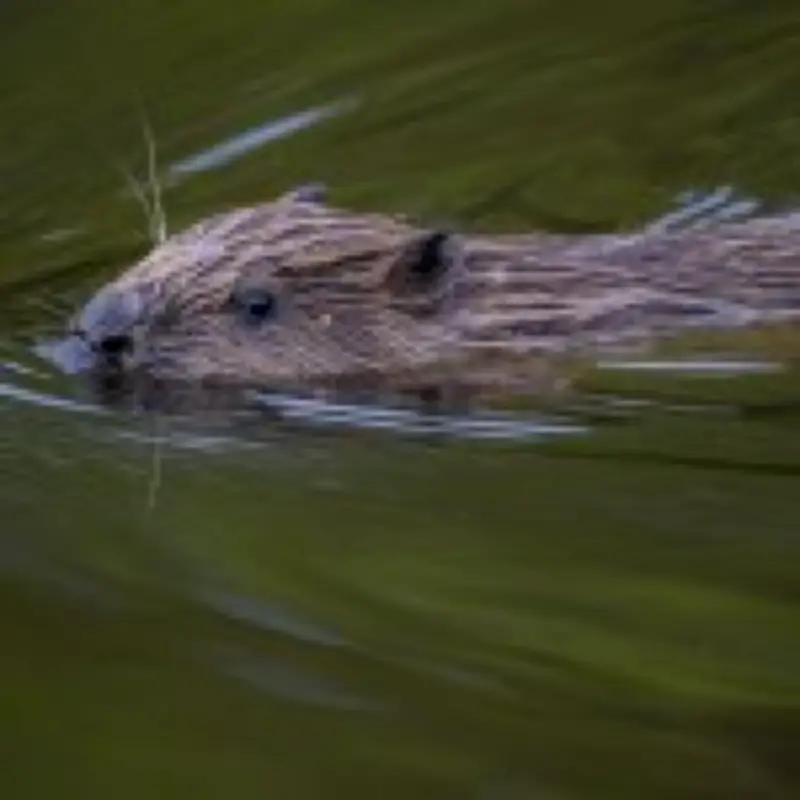
A northwest London Tube station plagued by flooding has been saved by a group of beavers who have literally 'bailed out' the area with their dam-building skills. The beavers were reintroduced to Ealing three years ago and have earned their keep by ending flooding at the nearby Underground station.
Natural Solution to Urban Problem
Metro visited Paradise Fields where the eight beavers have now been introduced to get a glimpse of how their hard work is improving the lives of residents. A group of ecologists runs the beaver project and has seen the rare creatures flourish. Seniz Mustafa, a member of the team, said the dams the beavers had built stopped the flow of water downstream and into Greenford station and nearby homes. She added that the community was 'so happy' with the beavers, who have become local celebrities.
Beaver Family Thrives
At least eight beavers are living in the park, headed up by a mother beaver named Willow. They can occasionally be seen from a purpose-built viewing platform, and the park features placards with information and pictures of the creatures. Metro wasn't lucky enough to spot any during our visit, but evidence of their work was clear as residents explained how flooding, which had previously impacted their daily lives and made roads unusable, is now a thing of the past.
Residents Express Gratitude
Sameer Souza, 51, who lives on Uneeda Avenue opposite Greenford station, told us: 'The flooding has been bad in this area and sometimes the tube has been closed because of it. (It was) causing big problems getting to work, et cetera. It's amazing that nature has come to the rescue.'
Linda Miles, 48, said: 'I read all about it when the beavers were put here, but I had no idea they would be the solution to all our flooding. People need to think more about nature and the environment and how important it is. We have had massive problems with flooding here so thank you to our beaver friends. We have had nightmares with flooding in the past.'
Ian Bezzant, 68, said: 'If it's working then many thanks to the beavers because the station has flooded a lot.'
Historical Context
Beavers were reintroduced in Ealing and Enfield, north London, in 2023, and a new project to bring beavers to Croydon has been planned for 2028 in an initiative by City Hall and backed by local councils. Before this, beavers had been hunted to extinction in the capital 400 years ago for their fur and meat.
Celebrity Endorsement
The Ealing project has been featured by David Attenborough on his Wild London BBC documentary. He said on the programme: 'If someone had told me when I first moved here that one day I would have been watching wild beavers in London, I would have thought they were mad. The whole wetland has been brought back to life, and it can now retain a lot more water. Incredibly, for the first time in a decade, residential areas downstream have been flood-free.'
Environmental Benefits
The introduction of the beavers has also improved biodiversity in the area with more bats, insects and birds. Dominic Moffitt, Ealing's cabinet member for climate action, said: 'This project shows how working with nature can improve our resilience and help us respond to the growing challenges of climate change. By supporting the reintroduction of beavers at Paradise Fields, we have enabled a natural solution that is slowing the flow of water, reducing flood risk for local communities and improving biodiversity at the same time. This delivers lasting benefits for Ealing residents.'
A spokesman for the London mayor said: 'It is fantastic to see the Ealing Beavers thriving in their new home. Nature is more than just something we visit. It's part of how London works and beavers play an important role in supporting local habitats. It's incredible that in a few short years they have helped stop flooding at a local station and transformed Paradise Fields into a flourishing wetland and helped to improve biodiversity in the area.'




