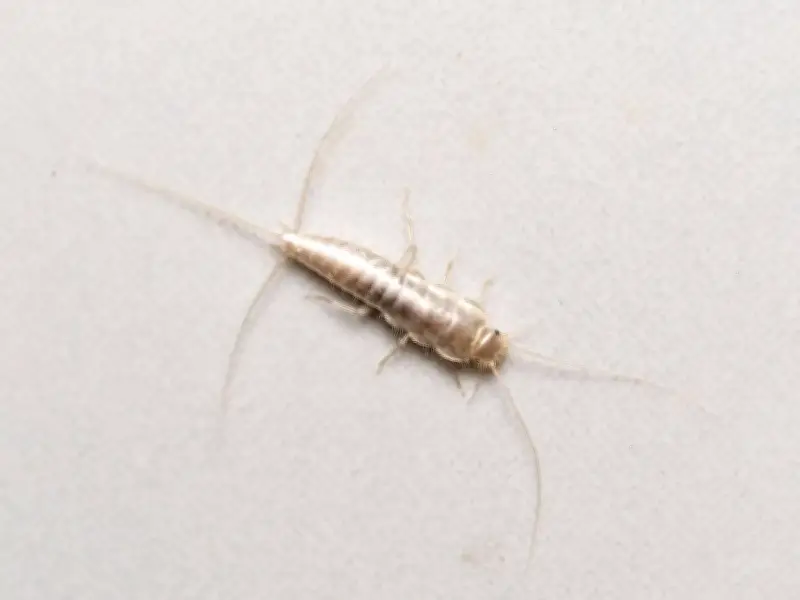
Silverfish are becoming increasingly common across the UK, with August and the late summer period representing peak silverfish season. These ancient insects flourish in humidity levels of between 55-70%, which essentially describes Britain's damp conditions and moisture-laden nooks, creating the ideal habitat for these wingless silvery nuisances.
Online searches for how to eliminate silverfish have already risen 15% in the last quarter, as households seek methods to address these pests before they establish themselves permanently.
Signs of a silverfish problem
While silverfish present no danger to people, they can become an unwelcome nuisance, causing damage to household items including books, wallpaper and textiles, while also leaving behind stains from their droppings and moulted skin. Their food sources include household paper, wallpaper paste, pantry dry goods such as flour and oats, natural fabrics (cotton, silk, linen), and dead insects. They can also survive for many months without any food whatsoever.

Common warning indicators of a silverfish problem include regular sightings in dark and moist areas, tiny black marks or droppings, harm to paper items, wallpaper or textiles, and small scales shed during moulting.
Drying your shower and bath
Sam Davies, Director at Age Care Bathrooms, has outlined his top recommendations on how to keep silverfish at bay. He explains: "Silverfish are often spotted in bathrooms because they are attracted to warm, humid environments. However, seeing one silverfish does not always mean you have an infestation, so homeowners should look for repeated sightings or signs of activity such as droppings and damage."
One straightforward task that is absolutely vital when it comes to combating silverfish is drying your shower and bath following use. Sam explains: "Silverfish thrive in damp environments, which means bathrooms can provide the perfect conditions for them to hide and breed. Taking a few seconds to wipe down wet surfaces, especially around shower trays, baths and sinks, is a simple way to keep your bathroom drier between uses."
Other measures to deter silverfish
Consistently washing and drying your bath mats is another overlooked yet remarkably effective measure. Sam notes: "Bath mats can quickly become a warm, sheltered space for silverfish to hide, especially when they are left damp. Hanging your bath mat over the bath or shower rail after use can help it dry faster and remove a potential hiding spot for pests."
The expert also suggests keeping your extractor fan operational after bathing, observing that numerous householders turn theirs off immediately upon leaving the bathroom, even though humidity remains in the atmosphere for substantially longer. Sam recommends: "Keeping your fan running for around 15 to 20 minutes after showering can help remove lingering moisture. It is also important to clean your extractor fan every few months and check it is working effectively, as dust and dirt build-up can reduce how efficiently it removes damp air."
Improving air circulation following a shower is another aspect to bear in mind. Sam points out: "Opening a window or leaving the bathroom door open after showering can help improve ventilation and prevent moisture from becoming trapped in the room. This is particularly important in bathrooms without strong extraction." He notes that for bathrooms which regularly suffer from condensation problems, using a small dehumidifier can also assist in removing excess moisture from the air. Disposable dehumidifiers can prove a cost-effective option for more compact bathrooms where moisture builds up quickly.
Checking for hidden leaks is equally crucial. Sam states: "Silverfish are often attracted to areas with consistent moisture, even if the damp is not immediately obvious. A small leak under a sink, behind a toilet or around pipework can create the perfect hiding spot."
Another method for preventing silverfish from entering bathrooms is to seal gaps around pipes and fixtures. The bathroom expert explains that silverfish can squeeze through surprisingly small openings, meaning cracks around skirting boards, pipework and worn sealant provide easy access points. He continues: "To prevent this, replace any cracked or damaged silicone around baths and showers to keep water from seeping into hidden areas."

Sam also recommends against storing cardboard and paper products in bathrooms. He states: "Silverfish feed on starches found in materials such as paper, cardboard and some adhesives, so keeping spare toilet rolls or packaging in the bathroom can make the space more attractive." Where possible, store these items in airtight containers and remove any unnecessary clutter from cupboards.