
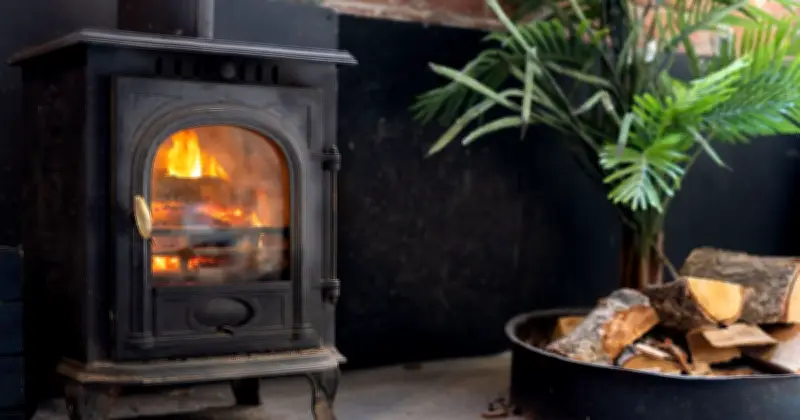
A new report has called for a ban on solid fuel burning in UK homes, including wood burners and log fireplaces, claiming it could save 1,500 lives each year and reduce NHS costs by £54 million. Environmental consultancy Ricardo, commissioned by Global Action Plan and Hertfordshire County Council, examined the health impacts of domestic burning across the UK.
Health Risks of Domestic Burning
The report highlights that domestic burning is one of the largest sources of fine particulate matter (PM2.5) air pollution in the UK. This type of indoor emission pollution is linked to serious health issues such as heart problems, lung disease, strokes, cancer, diabetes, and asthma. According to Ricardo, domestic combustion contributes to an average of 3,741 new cases of diabetes and 1,493 new cases of asthma annually. These conditions not only reduce quality of life but also place significant strain on NHS resources.
Economic Impact
The study compared the effects of fully enforcing existing Smoke Control Area legislation with a complete ban on non-essential domestic burning of solid fuels. It found that stopping all non-essential burning could save up to £54 million in healthcare costs and prevent £164 million in wider productivity losses to the UK economy each year. These benefits are nearly five times greater than those achievable through current Smoke Control Area laws alone.
Guy Hitchcock, air quality technical director at Ricardo, stated: "Domestic burning releases fine pollution particles that can be absorbed through the lungs and bloodstream, leading to or exacerbating health issues including asthma, lung cancer, diabetes, and strokes. This directly affects individuals in houses where burning takes place, but also neighbours and communities. From an economic perspective, these health issues cost the NHS millions every year and take up significant resource. Not only would reducing domestic burning improve public health, but it would reduce economic losses from time off work."
Calls for Government Action
Larissa Lockwood, director of policy and campaigns at Global Action Plan, said: "We all need to stay warm this winter, and we also need to think about the health impacts of our heating choices. An open fire or wood burning stove is the most polluting way to heat a home. Air pollution from wood burning stoves is cutting lives short, putting people in hospital, and contributing to serious health conditions for people across the UK. It's an uncomfortable fact, but the health burden of wood burning on the British public is simply too big to ignore. Existing measures to curb wood burning emissions are not tackling the problem. The UK Government must take action to ensure everyone can access cleaner, greener and more affordable heating – including ensuring homes are properly insulated – as well as strengthening powers to allow local authorities to tackle air pollution, and providing clear guidance for the public on the health harms of burning wood and other solid fuels in our homes."
Government Response
In response to the report, the Government announced a consultation on measures to reduce the environmental impact of domestic wood burning, including stoves and bonfires, as part of its revised Environmental Improvement Plan (EIP). Ministers stated the consultation aims to minimise the impact on those who need to burn wood and to respect traditional festivals such as Bonfire Night and Diwali. The Government has tightened the target to cut PM2.5 concentrations by 30% by 2030 compared to 2018 levels.
The EIP states: "The burning of solid fuels is a large contributor to national emissions of fine particulate matter (PM2.5) and is a major source of air pollution, especially in urban areas. The World Health Organisation considers PM2.5 the most harmful pollutant to human health. These particles can enter the bloodstream and internal organs, and there is a growing body of evidence linking exposure with a range of debilitating health conditions including cardiovascular disease and asthma. We will consult on further measures to reduce emissions from domestic burning… whilst minimising the impact on those that need to burn and respecting traditional celebratory festivals such as Bonfire Night and Diwali."
A Government spokesperson added: "Air pollution is a serious public health issue. As set out in our NHS 10-Year Plan, we are committed to reducing emissions from domestic burning to protect public health and local communities. Since 2018, £575 million has been provided to support local authorities improve air quality and we are working alongside them to cut emissions so that everyone's exposure to air pollution is reduced."




