
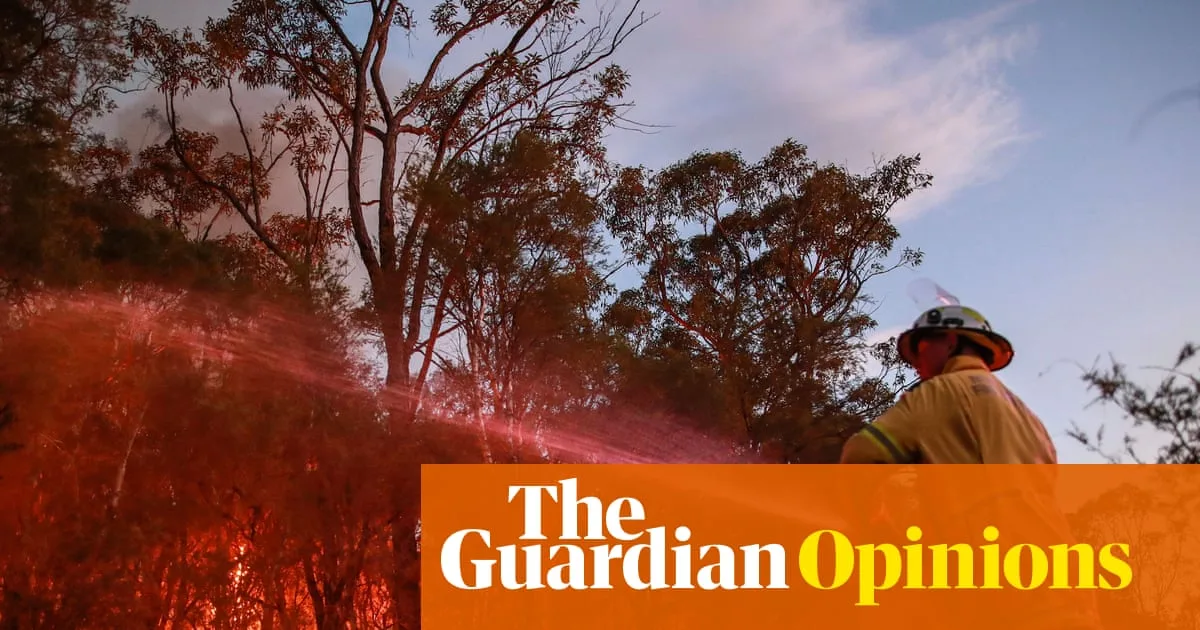
On a warm spring day in regional Victoria, the release of the National Climate Risk Assessment (NCRA) casts a shadow. The report, which assesses climate risks to Australia, is confronting but not alarmist, according to climate policy expert Erwin Jackson.
The findings echo the 2022 Intergovernmental Panel on Climate Change report, signed off by the then Coalition government, which warned that Australia and New Zealand face an extremely challenging future with very high risks beyond adaptation limits under current emissions policies.
The National Adaptation Plan, released alongside the NCRA, has received little media attention. While it sets out tangible steps for national leadership on adaptation, leading experts say the actions do not yet add up to the comprehensive plan needed.
Commonwealth support for climate disaster recovery between 2019 and 2023 was £15.9 billion, compared with £1.2 billion for Medicare and £3.4 billion for pharmaceutical benefits over five years. The NCRA estimates disaster recovery costs could increase 200–600 per cent with 2–3°C of global warming.
This highlights systemic challenges in integrating adaptation across all ministerial portfolios while budgets and communities are already strained. The plan does, however, note synergies between emissions reduction and adaptation, such as renovating housing to save households thousands in energy costs and reduce insurance premiums.
The Climate Change Authority has recommended updating the Climate Change Act to require regular climate risk assessments and adaptation plans, and to monitor progress. Such changes have broad support from vulnerable communities and investors, and could draw parliamentary backing.




