
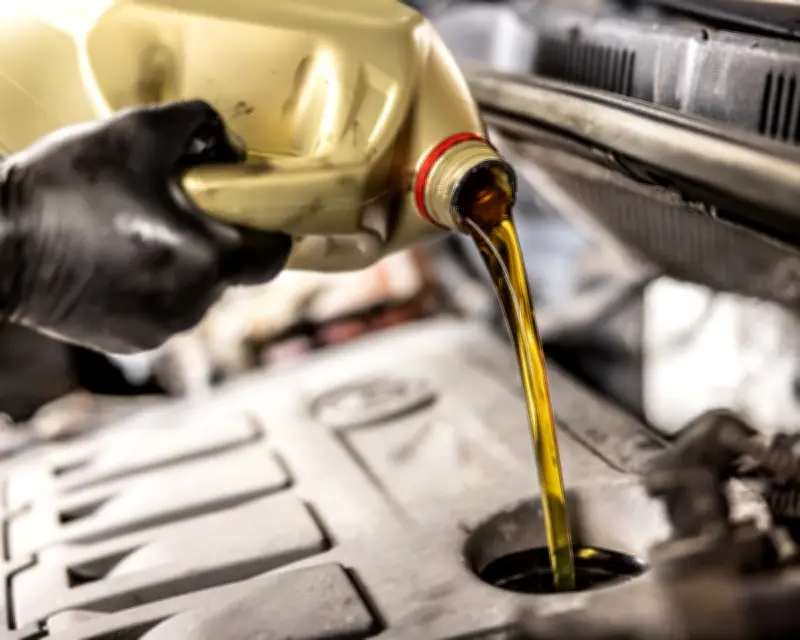
Australia is confronting a potential shortage of critical lubricants, as prices for base oils—the key ingredient in engine oils and other lubricants—surge and supplies become disrupted. The crisis threatens to affect everything from routine car maintenance to agricultural machinery, highlighting the far-reaching economic impact of the ongoing Middle East conflict.
What Are Lubricants?
Lubricants, primarily derived from base oils, are essential for cleaning, cooling, and protecting engines from seizing. Most commonly known as motor oil, they also apply to lawnmowers, industrial vehicles, mining equipment, and tractors. The head of base oils pricing at Argus Media, Gabriella Twining, reports that some major lubricant blenders can no longer provide factory fill to car manufacturers in Europe, the US, and Asia. Factory fill is the precisely calibrated first oil poured into a new engine. If the situation worsens, dealerships may resort to lower-quality blends, reducing engine efficiency and performance.
How Have Prices Changed?
Wholesale base oil prices have risen sharply since the conflict began over three months ago. Data from Argus shows benchmark prices in Asia for group II oil—used in various engine oils—more than doubled from $760 per tonne in late February to $1,790 in early June. Supply of more refined group III base oils, used in modern synthetic oils, is severely constrained. Several refineries in Qatar and Bahrain have been damaged, reducing production capacity. Rebuilding takes time, and refineries need stable crude supplies through the Strait of Hormuz, which remains uncertain despite peace efforts.
What Happens Next?
As wholesale prices reach consumers, commuters may delay oil changes amid cost-of-living pressures. Chris Bright, market development commercial director at Gulf Western Oil, notes that consumers are price-sensitive: "As soon as consumers see prices go up, some people say, I'll just leave it another 12 months before I service my vehicle." Farmers face similar dilemmas, potentially reducing crop yields if fuel supplies also remain compromised. Electric vehicle owners are unaffected since EVs do not use engine oil, but EVs still represent a small share of Australian vehicles.
How Exposed Is Australia?
Australia relies heavily on imports from South Korea, Singapore, and Qatar, all affected by the US-Israel attacks on Iran. Some local companies specialize in reusing waste oil, which may become more important. Competition for base oils is intensifying, with refineries targeting higher-paying regions, leaving Australia vulnerable. The Australian Lubricant Association (ALA) has urged the federal government to treat base oils with the same urgency as transport fuel, including diplomatic trips to Asia and underwriting imports via the export credit agency. The ALA also wants base oil supply included in bilateral talks. Industry participants argue that an engine without fuel and one without lubricant both stop. A spokesperson for Minister for Industry Tim Ayres said the government is engaging with industries and monitoring key supply chains.




