
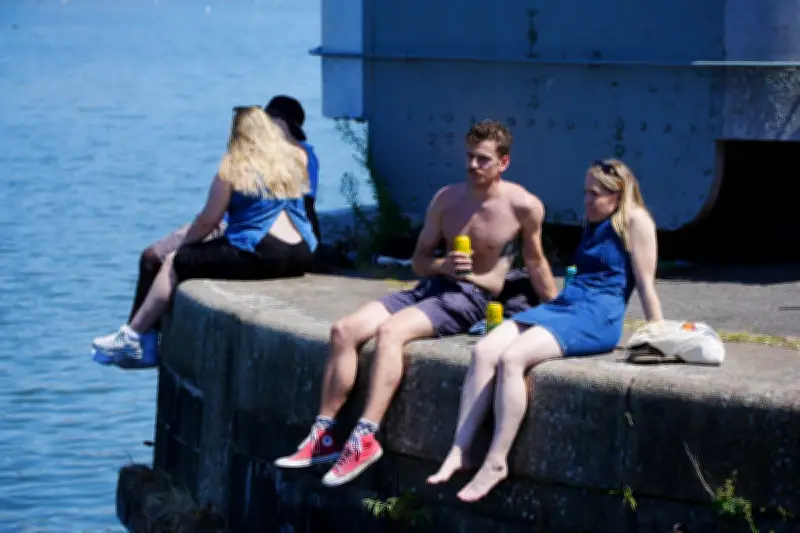
The Met Office has issued an amber extreme heat warning for parts of the UK next week, as a new heatwave could push temperatures up to 34C. The warning is in effect for Monday and Tuesday, covering London, the east and south-east of England, and parts of the south-west of England and Wales.
According to the forecaster, the warning indicates potential health impacts for vulnerable individuals and heat-related issues for the wider population, along with a possible increase in water safety incidents. This warning is separate from the amber heat health alerts issued by the UK Health Security Agency (UKHSA).
Another heatwave is expected to sweep across parts of the UK during the weekend and early next week. Areas in southern and eastern England are likely to meet the heatwave threshold over the weekend, with a 40% chance of exceeding the highest ever June temperature of 35.6C, set in 1957 and 1976.
East Anglia could see 32C on Friday before the hot spell temporarily shifts away, leaving Saturday with a potential high of 28C. However, temperatures are set to rise again from Sunday, with some areas in the south and south-east of England forecast to reach 32C on Sunday and push up to 34C on Monday.
The UKHSA previously posted amber heat health alerts for the east, south-east and south-west of England, as well as London, from 12pm on Thursday until 8pm on Tuesday.
Greg Wolverson, deputy chief forecaster at the Met Office, said: "While heatwave criteria will be met for some in the south and south-east of England over the weekend, with temperatures into the low 30sC possible, the warmth will expand and intensify at the start of next week, which, coupled with high temperatures overnight, leads to potential impacts. Temperatures will peak around the mid-30sC on Monday and Tuesday. The humidity will also mean this feels close, warmer and more uncomfortable for many. Tropical nights – where the temperature doesn’t drop below 20C – are also likely for some."
The warmth may bring some thundery downpours for some on Monday and Tuesday, though these should be "fairly isolated", the Met Office said. The very high temperatures could continue across a smaller part of the country into the middle of the week, but this remains uncertain for now.
Ahead of the heatwave, the Met Office issued advice on staying safe in extreme temperatures, including staying hydrated, avoiding exercise between 11am and 3pm, closing curtains in sun-facing rooms, and wearing sunscreen and a hat outdoors. It also warned that sea surface temperatures are not as high as in midsummer, urging caution at coastal areas, lakes, or rivers.
At least 15 people died after getting into trouble in open water during a hot spell in May. Samantha Hughes, National Water Safety Partner at the Royal National Lifeboat Institution, said: "With warmer weather approaching, it’s important to remember that the water is still cold. Entering it unexpectedly can lead to cold water shock, causing a sudden increase in breathing and heart rate, which may trigger panic. If you find yourself struggling in the water, remember to Float to Live: tilt your head back so your ears are submerged, relax and control your breathing. You may need to gently use your hands to help you stay afloat, and it’s OK if your legs sink — everyone floats differently. Where possible, always choose a lifeguarded beach, and swim between the red and yellow flags. In a coastal emergency remember to call 999 for the coastguard."
After the heat health alerts were issued, the Health and Safety Executive (HSE) said employers must ensure their workers are protected while maintaining productivity during the heatwave. Simple measures include ensuring free access to drinking water, placing workstations away from direct sunlight, providing weather-appropriate protective equipment, and discussing symptoms of heat stress.
John Rowe, deputy director for Technical Support and Engagement for the HSE, said: "Last summer should have been a wake-up call for all employers. If we continue to experience hotter summers this could have a big impact on the workforce of this country, affecting everything from health of workers to productivity on construction sites. The risks to workers from extreme heat must be properly assessed. Practical steps can include providing adequate ventilation and shade and allowing enough breaks for workers to cool down." He added: "We know all employers are under pressure and we don’t want to add to their burden but it’s vital they think hard now about simple and cheap measures they can put in place to support workers should we see extreme heat again this summer."




