New research released to mark the 10th World Afro Day has found that one in three people with Afro-textured hair say hair products have negatively affected their physical health, compared with one in 10 people without Afro hair. The findings, based on responses from 1,442 people, have prompted fresh calls for scrutiny over products aimed at Afro hair, with campaigners and experts raising concerns about safety, regulation and the use of chemical treatments.
Personal Experiences Highlight Concerns
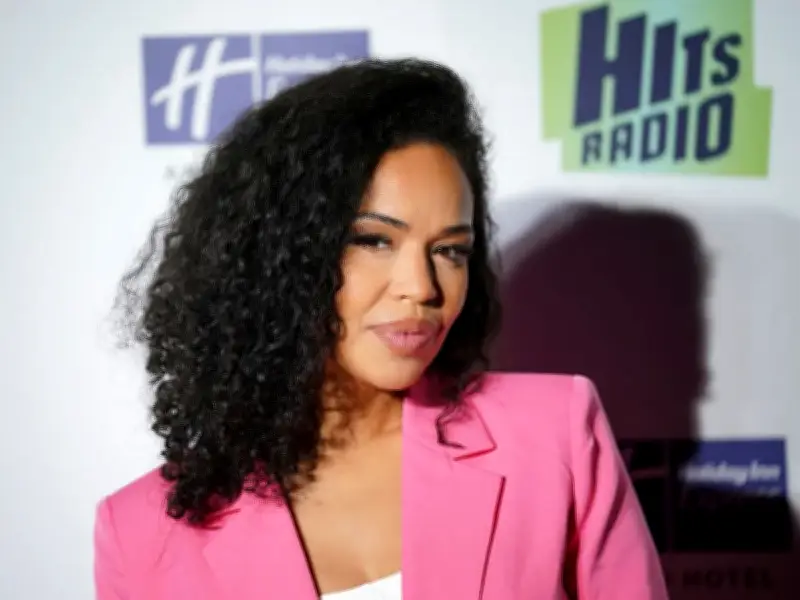
Sarah-Jane Crawford, a TV and radio presenter, began chemically straightening her hair at age 13, inspired by the sleek styles of R&B stars. She now believes consumers should be better informed about the potential effects of such products. Sarah-Jane had a fibroid the size of a grapefruit removed in 2015 and said the research has made her reflect on her own health.
She told the Mirror: “One thing I do know is that the research time and time again keeps on pointing back to there being a link between regular relaxer use and things like fibroids, especially with the sister study that was done in the U.S. And I can’t say whether there’s definitely, it’s definitely been like hair relaxer use that’s caused the fibroids. I’ll never know that for sure.”

Calls for Regulation and Safety Review
Michelle De Leon, who founded World Afro Day in 2017, said: “You cannot argue with health evidence if something shows you in a quantifiable way that it impacts somebody’s health.” She added: “We’ve got big beauty brands who have products that are aimed to introduce chemicals to children’s bodies to make them feel more beautiful and more acceptable to a European standard of beauty and that is wrong. I don’t even understand how we can justify chemical cosmetic treatments for children any children but actually for black children this has been going on for decades through chemical relaxers.”
Michelle also said: “But all the evidence, all the evidence shows that hair products aimed at Afro hair have higher levels of harmful chemicals in them. Just the evidence is there. Yet regulation has not responded to this.”
Research and Parliamentary Inquiry
Research in the US has examined the possible health effects of hair straightener use from a young age. A 2025 study using data from more than 4,000 Black women in the US Sister Study found hair straightener use between the ages of 10 and 13 may be associated with young-onset uterine fibroids. A 2023 study by researchers at Boston University, using data from almost 45,000 women in the Black Women’s Health Study, found long-term chemical relaxer use was associated with an increased risk of uterine cancer among postmenopausal Black women, although no such link was found among premenopausal women.
Hair relaxers are regulated as cosmetics in Britain and must comply with cosmetic safety rules. Parliament’s Science, Innovation and Technology Committee launched an inquiry into hair and beauty products in December 2025, examining whether UK regulation effectively assesses scientific evidence and protects consumers from potential harm. In 2023, Labour MP Chi Onwurah had also asked whether the Government had assessed the impact of lye-containing hair relaxers on Black women’s health. The Department for Business and Trade said such an assessment had not been carried out, while stressing that lye was already restricted under cosmetics regulations.
Expert and Consumer Perspectives
Laura Waters, Professor of Pharmaceutical Analysis at the University of Huddersfield, said: “Most worryingly to me is the availability of these products to children as they are easily available on the high street. It would be great if there is more awareness of just how dangerous these products can potentially be. Any chemicals will have been through rigorous toxicity testing to be included in such products so they are considered ‘safe’ to use but it doesn’t necessarily mean we should be relaxed about their use.”

The World Afro Day survey also found 84% of respondents said it was very important that people could trust hair product ingredients were not harmful. Sarah-Jane reflected: “I was using a lot of harsh chemicals to get a quick result: clean, flatten, burn, straighten. And so just thinking they had absolutely no impact. You know, it’s on the market. I can buy it. Why is it going to be unsafe?”
Her concerns eventually compelled her to start her own haircare company, Clean Curls. World Afro Day was founded in 2017 and has since expanded beyond its celebration of Afro hair into research, education and campaigning. Reflecting on the milestone, Michelle said: “Celebration mission accomplished - 10 years of celebration but liberation, I hope it doesn’t take a a decade to get there.”
The 10th World Afro Day will be marked with a three-day Fro Festival in King’s Cross, London, with community catwalks, free hair and scalp health checks, panels and other events celebrating Afro hair and culture.