
Warm weather in Wales has brought with it an increase in household pests, as insects seek food, water and shelter indoors. Consumer group Which? has identified seven common summer pests and provided advice on how to keep them at bay.
Why summer brings more pests
Higher temperatures can cause insects to breed faster and try to make their way indoors. Paul Blackhurst, head of technical academy at Rentokil Pest Control, says: "Summer is the peak season for many household pests. As temperatures rise, insects become more active, breeding cycles speed up and colonies begin to grow."
Homeowners often notice an increase in ants and fruit flies in the kitchen, and wasps in the garden during the warmer months. However, there are preventative steps that can be taken.
Ants and flying ants
Ants are commonly seen indoors during the summer as they look for sugary foods that may have been missed during cleaning or try to get into cupboards. Nests are built nearby, with most of the colony attempting to invade, so it is rare to see just one ant in the home.
Paul says: "Nests are commonly found beneath patios, in wall cavities, under floors or around the property's foundations, where they can remain hidden from view. If ants are a persistent problem, then professional help may be the best option."
Prevention includes regularly wiping up crumbs and spills, storing food in sealed containers, sealing gaps around doors and windows, and keeping bins closed and removing uneaten pet food.
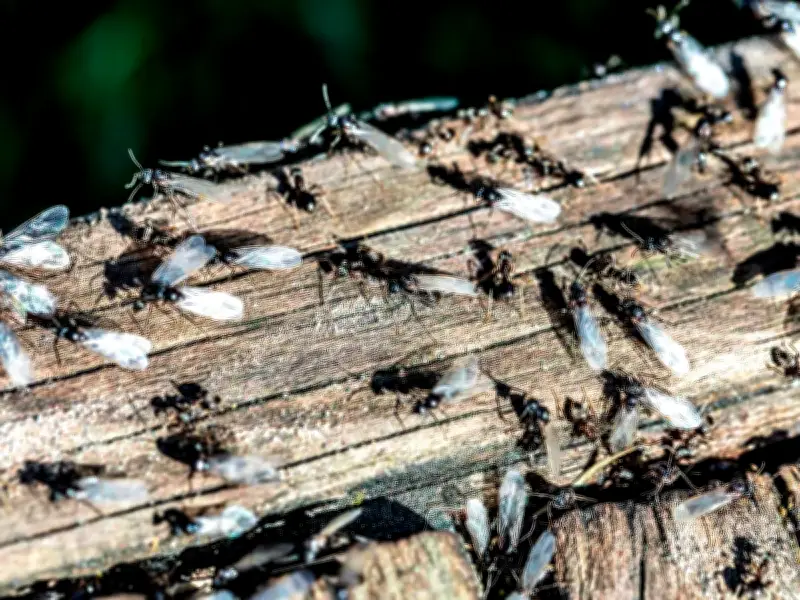
Flying ants are the same species at a different reproductive stage, which is why they suddenly appear in large numbers during the summer. Paul says: "While flying ant swarms are usually short-lived and don't typically require treatment, persistent ant activity inside the home or repeated sightings from the same area may indicate an established nest nearby and could require professional attention."
To prevent flying ants, seal gaps around windows, doors and rooflines, keep doors and windows closed during peak swarming, and fit fly screens where practical.
Wasps, maggots and fruit flies
Wasp nests can be found on sheds, lofts, gardens and roof spaces, growing rapidly during warm weather. If you find a wasp nest, do not remove it yourself as they can become aggressive and are more likely to sting.
Prevention includes sealing gaps around eaves and vents, keeping sheds tidy, and removing sheltered nesting spots.
Maggots can appear suddenly in wheelie bins and food waste during the summer. Fly eggs can hatch within as little as 24 hours, meaning infestations can build quickly. Prevent them by bagging food waste securely before binning it, keeping bin lids closed and cleaning up spills, and storing bins in the shade where possible.
Fruit flies can disturb homes all year but breed faster in the summer as warmer weather shortens their life. The tiny black flies are drawn to ripening fruit, recycling, food waste and kitchen drains. Prevention includes throwing away overripe fruit, rinsing recycling, cleaning bins and drains, and storing soft fruit in the fridge. A targeted chemical insecticide made for kitchen use can also help.
Paul says: "A homemade trap using apple cider vinegar and a few drops of washing-up liquid can help catch adult fruit flies. The vinegar attracts the flies by mimicking the smell of fermenting fruit, while the washing-up liquid breaks the surface tension, causing them to sink and drown. However, traps only deal with the adult flies, so it's equally important to remove the breeding source to prevent the infestation from returning."
Fleas and clothes moths
For homes with pets, fleas can be a real problem as most of the infestation is found in carpets, sofas and soft furnishings. If your pet has fleas, flea treatment alone won't get rid of the problem; you will also need to clean and treat your home to remove eggs and larvae.
Signs of fleas include your pet scratching, bites around your ankles, or fleas jumping from carpets or bedding. Prevention includes treating pets regularly, vacuuming thoroughly, and washing pet bedding on a hot wash.
Paul explained: "Regular vacuuming is one of the most effective ways to reduce flea numbers, particularly around skirting boards, under furniture and in areas where pets spend most of their time. Vacuum contents should be disposed of in an outside bin immediately after cleaning, and pet bedding and blankets should be washed on a hot cycle to help kill flea eggs and larvae. Flea pupae can remain dormant for weeks or even months before emerging, which is why infestations can appear to return even when treatment has been carried out correctly. If flea activity continues despite treating both the pet and the home, professional pest control may be required."
Warmer weather also sees more clothes moths appearing in homes, which can cause damage to clothes and furniture. If you discover an infestation, carefully inspect clothes for signs of larvae and vacuum the area. Prevention includes storing clothes clean, vacuuming wardrobes, and washing or temporarily freezing affected items. Pheromone traps can help monitor, locate and reduce flying adult moth numbers.




