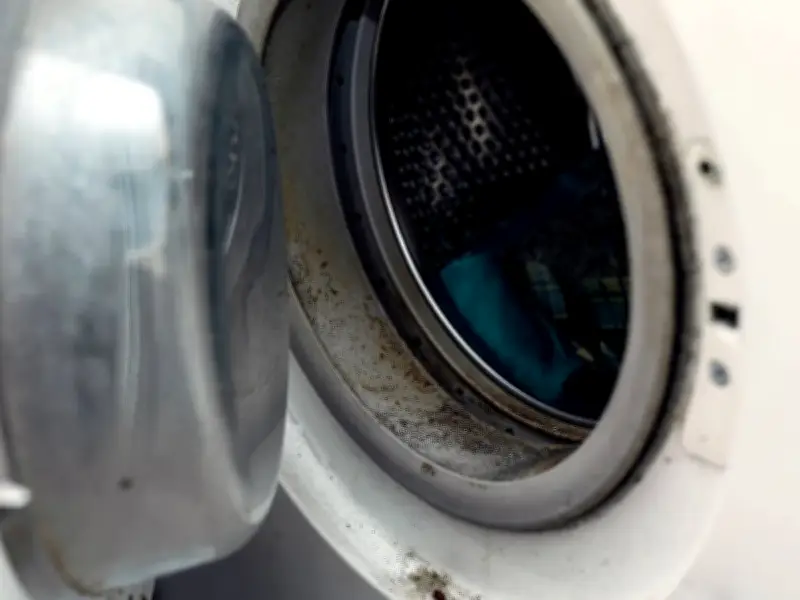
Mould can be a real problem in the home, but a simple mould cleaning solution using just three ingredients may help tackle it in multiple areas. As temperatures across the UK fluctuate between warm and cool spells, mould development can speed up due to damp and moist conditions throughout properties.
Bacteria can eventually turn into mould, especially in spots beneath washing machine seals, in showers, and even on clothing stored in dark and humid drawers and wardrobes.
Cleaning expert's preferred solution
Cleaning expert and TikTok creator Chantel Mila recently revealed her preferred mould-busting solution, which can be applied to tackle mould affecting various areas around the home. In a recent video, she wrote in the caption: "Say goodbye to tough mould around your home. This mix is powerful at cutting through mould and leaves your home sparkling."

How to get rid of stubborn mould
In a spray bottle or dark bottle, combine one cup of hydrogen peroxide, one tablespoon of washing up liquid, along with ten drops of clove or tea tree oil. The essential oil is an optional addition, but can help make the cleaning solution smell more pleasant when used.
When applying in a washing machine, spray beneath the appliance's seal and allow it to soak. Follow with a microfibre cloth to wipe away the mould and grime. The same solution can be used to eliminate shower mould as well as any unsightly mould and mildew appearing on clothing.
Application tips and how it works
When tackling shower mould, spray the solution liberally across the entire shower. To ensure the solution properly targets the mould, work it in using an electric cleaning brush, or a cloth, sponge or brush with plenty of elbow grease. This will help to dislodge mould from between the tiles, before rinsing away any remaining residue.
When treating mould spots on clothes, apply the solution directly to the affected area. Work it in thoroughly with a cloth, before putting the garment through a normal wash cycle.
Chantel said: "This mix is powerful at getting rid of mould and also killing the spores that prevent it from returning. You can use it in your shower, on fabric, and even your washing machine seals to keep tough mould away."
Hydrogen peroxide works as an oxidising agent, releasing oxygen that breaks down mould's cells. It also acts as a bleaching agent, helping to restore affected surfaces back to their original state. Washing up liquid makes the whole cleaning process considerably more straightforward, as it functions as an emulsifier, binding with greasy and oily residue, allowing it to be rinsed away with water.
The addition of tea tree oil can further help to combat mould, as the oil is a natural fungicide capable of eliminating mould spores. Mould in Homes noted that amongst all natural mould-killing remedies, tea tree oil proves to be the most effective. Ideal Home explained that tea tree oil destroys mould by breaking down the cell wall of the mould spores, causing them to rupture and leak. This also helps prevent future mould growth, as the spores are unable to develop or spread further.
Dr Jonathan Kirby, Mould Expert at Dryzone, told Ideal Home: "In clinical studies, tea tree oil proved effective in stopping the growth of two common strains of mould - Penicillium chrysogenum and Aspergillus fumigatus."
Clove oil functions in much the same way as tea tree oil, owing to its antifungal properties — most notably its eugenol content. Eugenol is a naturally occurring phenolic compound. Widely used as a flavouring agent in food, cosmetics and perfumes, eugenol is also valued for its anaesthetic, antiseptic and analgesic properties in medicinal applications.