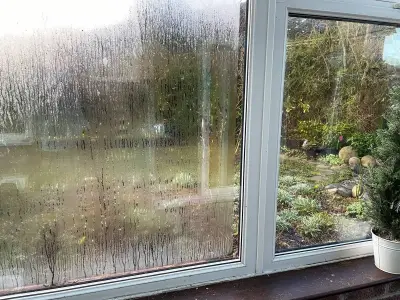
As autumn arrives, many UK households are preparing for the familiar build-up of damp and moisture that accumulates indoors due to wet, cold weather and reduced sunlight. Where dampness exists, mould often follows, and mould can pose significant health risks when allowed to grow in areas where people spend considerable time.
According to gov.uk: "Damp and mould primarily affect the airways and lungs, but they can also affect the eyes and skin. The respiratory effects of damp and mould can cause serious illness and, in the most severe cases, death."
Three plants that siphon moisture from the air
Official guidance warns that exposure to mould and damp can trigger allergic reactions, respiratory irritation and inflammation leading to bronchitis, the development or worsening of allergic airway conditions such as rhinitis, asthma flare-ups, eczema and other itchy skin or rashes, fungal infections, as well as mental distress and declining mental wellbeing.

For those seeking effective ways to tackle damp and mould, household experts have highlighted a relatively simple and proven solution, as reported by the Express. Kayleigh Dray from Ideal Home has shared her own experience of successfully dealing with damp in her property by introducing three houseplants to help combat excess moisture.
Kayleigh said: "I have found a lot of success in adding 3 plants to my home to help with damp. Part decor, part practical, I love how they look dotted about the place... and I especially love how they help to siphon all of that moisture from the air."
English Ivy and Spider Plant
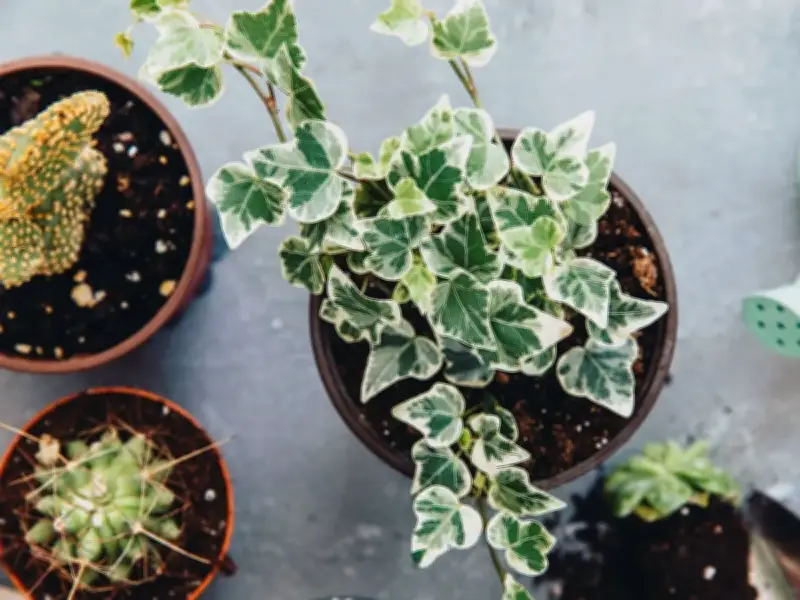
The humble English Ivy is particularly skilled at trapping moisture through its leaves. The glossy evergreen is a top professional choice for anyone looking to tackle persistent condensation and keep mould growth at bay. Remarkably, English Ivy can eliminate up to 78% of airborne mould in just under 12 hours. It trails beautifully, is a pleasure to look at, and can be placed on a high shelf or suspended from a decent height with ease.
The next houseplant on Kayleigh's list is the unassuming spider plant. While commonplace, it is remarkably effective at combating damp, which in turn helps to keep mould growth in check indoors. Kayleigh describes the instantly recognisable spider plant as 'one of the easiest to look after' and says it has 'put up with a lot of negligence over the years', yet continued to flourish. It is also exceptionally good at absorbing excess moisture and boosting indoor air quality.
Chinese Evergreen and other options
Finally, Kayleigh champions the Chinese evergreen as the third houseplant to round off her damp and mould-busting trio. Describing it as virtually indestructible, or 'basically unkillable', she highlights how the Chinese evergreen has long been praised for its 'ability to reduce humidity levels' — something she has found to be entirely accurate in her own experience.
The Ideal Home expert added: "The devil works hard, but this plant works even harder." Described as 'notoriously brilliant at purifying the air in your home', the Chinese evergreen is remarkably straightforward to care for, provided it is kept moist and shielded from cold draughts. To ensure it flourishes, position it in a spot with indirect light, as excessive bright sun will scorch its leaves.
Beyond these three recommended, moisture-absorbing, mould-fighting houseplants, Boston ferns and peace lilies are also considered more than capable for the task. These plants remain a popular choice and are recognised as excellent at managing humidity, while also improving the overall air quality within homes.