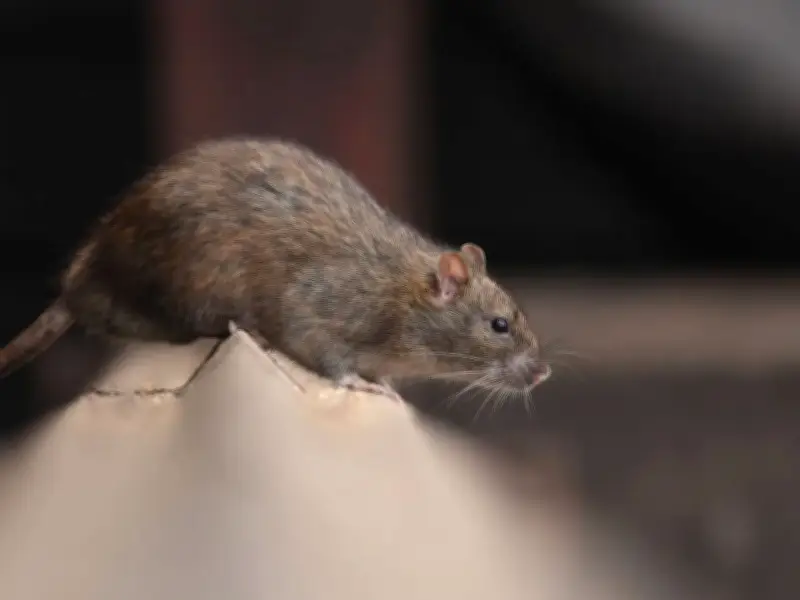
As temperatures begin to fall, rats start searching for warm, dry places to shelter, and homes often provide the perfect hiding place. Pest experts say there's one simple test homeowners can carry out in just a few minutes that could help identify whether their property is vulnerable to unwanted rodent visitors.
John Whiteley-Wilkson, Managing Director and pest control expert at Acorn Environment Services, is encouraging homeowners to try the £1 coin test before autumn arrives. He explained: "Most rat problems don't begin because homeowners have done something wrong. Rodents are simply opportunistic and will always look for the easiest route indoors. Spending ten minutes carrying out the £1 coin test could help identify vulnerable areas before they become a much bigger problem."
What is the £1 coin test?
An adult rat can squeeze through a gap of around 15-20mm, roughly the diameter of a £1 coin. If you can fit a £1 coin into a gap around your home, there's a chance it's large enough for a rat to get through.
John said: "People are often amazed by just how small a gap a rat needs to gain access to a property. If a £1 coin fits into a hole around an external wall, air brick, pipe or door frame, it's worth taking a closer look and sealing it if appropriate."
Check around pipes, air bricks and vents
Pipes entering the home often leave small gaps that become larger over time as materials expand and contract. John said: "Utility pipes are one of the most common entry points we come across. These gaps are easy to overlook because they're often hidden behind bins, plants or outdoor storage."
Damaged or uncovered air bricks and vents can provide rodents with easy access to wall cavities and underfloor spaces. John said: "Air bricks are essential for ventilation, but if they're damaged or missing protective mesh, they can become an easy route inside for rodents."
Check doors, sheds and food sources
Worn weather strips or poorly fitting garage doors can leave enough space for rodents to squeeze underneath. John advised: "Garage doors and side gates are often forgotten about, but they're one of the first places we recommend checking when carrying out a home inspection."
Rats don't always enter the main house straight away. Sheds, garages and extensions often provide the first sheltered location before they move closer to the home. John said: "Outbuildings are frequently the starting point. Once rodents establish themselves there, it's much easier for them to move into the property if opportunities arise."
Even if your home is well sealed, easily accessible food can encourage rats to stick around. Fallen bird seed, overflowing bins, pet food and compost heaps can all attract rodents. John warned: "Preventing access is only half the battle. If there's a reliable food source outside your home, rats will continue returning and eventually look for a way inside."