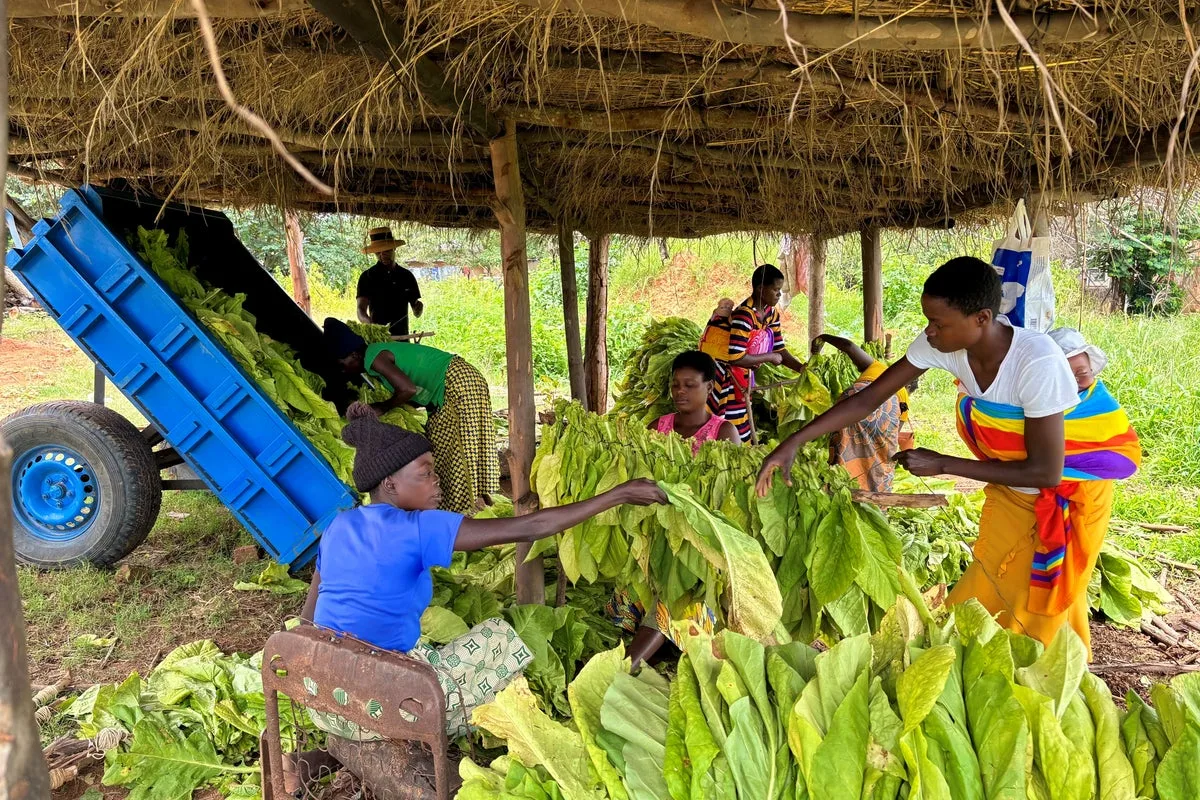
Zimbabwe's controversial land reform programme, often criticised for its violent and chaotic implementation, is now helping smallholder farmers cope with the escalating climate crisis, according to new research from the Institute of Development Studies.
The study, led by Professor Ian Scoones, found that smallholders in areas that underwent land reform are producing two to three times more maize and selling nine to ten times more than those in communal areas that did not undergo reform. They have also invested more in irrigation, water tanks, and pumps, and have diversified their crops.
The findings come as Zimbabwe faces increasingly severe weather events, including a devastating drought in the 2024–25 season that left an estimated six million people food insecure. The Fast Track Land Reform Programme, launched in 2000 by then-President Robert Mugabe, saw about 4,000 white farmers displaced and their land redistributed to roughly one million black Zimbabweans.
While the programme initially led to a two-thirds drop in agricultural output between 2000 and 2008 and contributed to hyperinflation, recent years have seen signs of recovery, with bumper maize harvests in some seasons and tobacco production exceeding pre-reform levels.
Professor Scoones noted that the research challenges the one-sided narrative of failure, stating, 'Our research shows that in the smallholder land reform sites there has been significant investment and people are able to produce more despite the effects of climate change.' He highlighted that cheap Chinese-made solar panels and pumps have also enabled farmers to boost productivity.
The study's release follows the COP30 climate conference, where critics noted an absence of discussion on land rights. Rachel McMonagle of Landesa said, 'Land tenure security is foundational for effective climate action,' emphasising that secure tenure encourages long-term investment in sustainable practices.