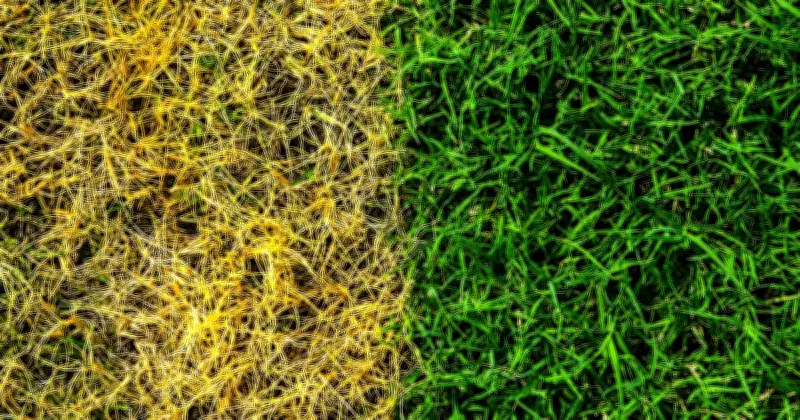
UK lawns left yellowed by summer heat stress can be restored to a thicker, dark green state with one natural item: Epsom salts, according to gardening specialists at Hoffmans Lawn Care.
Yellowing grass is more than an eyesore; it is a sign that a lawn is struggling. Causes range from nutrient deficiencies to environmental stress. This year, multiple heatwaves and a hosepipe ban have left many UK lawns damaged.
How to apply Epsom salts to your lawn
Hoffmans Lawn Care recommends mixing Epsom salt with water — one cup per 100 square feet — and spraying the lawn with the solution at least twice a month.

“The magnesium will help the seeds germinate faster in thick, green, upright and strong grass blades,” they said. “If you spray the lawn with such a mixture after summer long, you will enjoy a better-looking turf that doesn’t turn yellow again.”
Why Epsom salts help grass
Instagram user @gardengrubbs, who shares science-backed lawn hacks, also recommends Epsom salts for lawns showing signs of magnesium deficiency, such as “yellowing blades” despite watering and fertilising.
“Epsom salt helps grass mainly because it’s a natural source of magnesium and sulphur, two essential nutrients for healthy plant growth,” they said. Magnesium is a key component of chlorophyll, which plants use to photosynthesise and make food, helping grass “stay green, lush, and resilient”.
Sulphur improves nutrient uptake and overall plant metabolism, which can “enhance the colour of your grass” and help it grow more vigorously.