
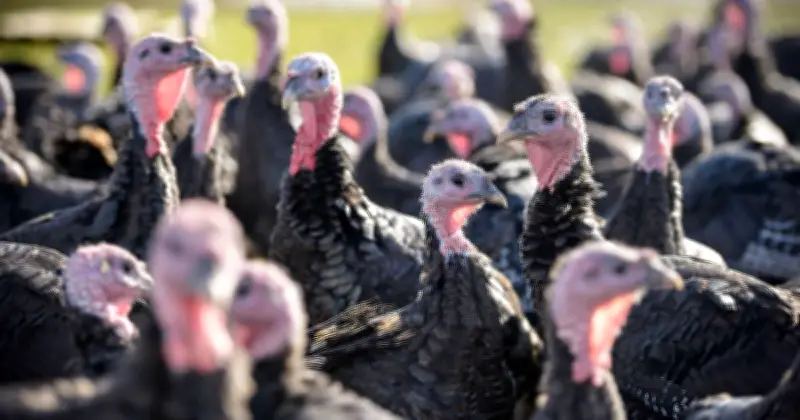
Eggs are a kitchen staple enjoyed by many across the UK, but while turkeys do lay eggs, they are never seen on supermarket shelves. This article explores the reasons behind this absence.
The Popularity of Eggs
Eggs have become quite the talking point of late, following Sainsbury's announcement that it will exclusively stock white eggs going forward. The kitchen staple remains a firm favourite among consumers, owing to its affordability, versatility, and impressive nutritional value.
Frequently dubbed 'nature's multivitamin', eggs are extraordinarily nutrient-rich, brimming with complete proteins, essential amino acids, folate, and vitamins.
Common Egg Varieties
The eggs lining our supermarket shelves come from hens, though quail and duck eggs are also available depending on where you shop. However, given that turkeys also lay eggs, many people have found themselves wondering why turkey eggs are nowhere to be found on shop shelves. Experts have now shed some light on the matter.
Why Turkey Eggs Are Not Sold
According to a BBC food blog, while turkey meat is widely consumed across the UK, their eggs are never sold because "turkeys lay less than chickens (around 110 turkey eggs per year as opposed to 300 chicken eggs) so they are relatively expensive and are invariably kept for breeding".
Modern Farmer further explains that turkeys "are also more expensive to raise in a factory setting, requiring much more space and food than a chicken".
They are additionally slower to begin laying, with turkeys needing to reach around seven months of age before they produce eggs, compared with chickens, which begin laying at approximately five months old. It therefore simply does not make economical sense for farmers to produce turkey eggs.




