
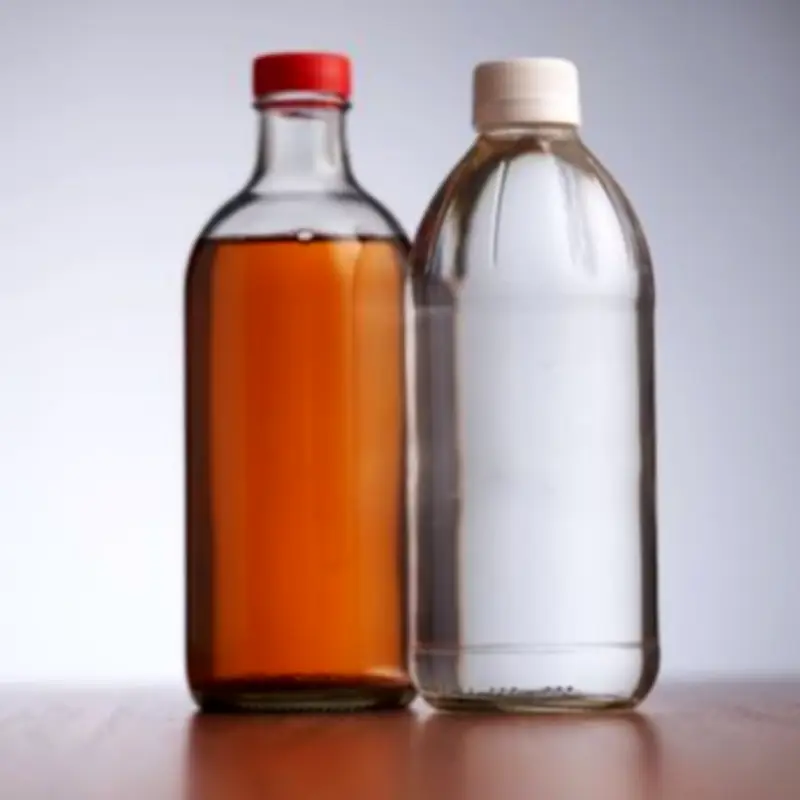
Vinegar is a versatile and affordable cleaning product, but not all vinegars are created equal. Knowing the difference between white and brown vinegar can save time and money, ensuring you use the right type for the right task.
What Is White Vinegar?
White vinegar, also known as distilled or spirit vinegar, is made by fermenting grain alcohol into acetic acid, which is then diluted with water. This process yields a clear, highly acidic liquid with a sharp, pungent taste. Its purity makes it ideal for household cleaning and preserving, as it leaves no unwanted discoloration or flavors on surfaces.
What Is Brown Vinegar?
Brown vinegar is a broad term covering types like apple cider, malt, and balsamic vinegar. These are derived from fermented sources such as apples, malted barley, or grapes. They retain nutrients and compounds from their original ingredients, resulting in complex flavors and colors, making them better suited for culinary use than cleaning.
Why White Vinegar Cleans Better
White vinegar is the preferred choice for cleaning because it is colorless and leaves no pigmentation or marks. Its neutral acid effectively removes limescale, sanitizes surfaces, and eliminates odors without sticky residues. In contrast, brown vinegars contain sugars and organic compounds that can leave sticky residues or cause staining. While both types produce a strong smell, white vinegar's odor dissipates quickly as it dries, whereas malt or apple cider vinegar can leave a lingering odor reminiscent of a chip shop or fermented fruit.
Uses for White Vinegar
Kitchen and Bathroom Cleaning
- Unclog showerheads: Tie a bag of vinegar around the fixture and let it soak overnight to dissolve mineral buildup.
- Clean microwaves easily: Boil a bowl of water and vinegar inside, then wipe away loosened grease with a cloth.
- Remove kettle limescale: Boil equal parts vinegar and water, let it sit for 20 minutes, then rinse thoroughly.
- Freshen dishwashers: Place a cup of vinegar on the top rack and run a hot cycle while empty to remove film.
- Deodorize drains: Pour baking soda down the drain, followed by vinegar, then flush with boiling water after 10 minutes.
Laundry and Fabrics
- Soften clothes: Add 120 ml of vinegar to the fabric softener dispenser to break down detergent buildup naturally.
- Brighten whites: Soak dull clothes in a basin of hot water and vinegar overnight before washing.
- Erase sweat stains: Spray vinegar directly onto underarm stains and let it sit for 10 minutes before washing.
- Remove towel odors: Wash sour-smelling towels with hot water and a cup of vinegar instead of detergent.
Windows and Surfaces
- Streak-free glass: Mix equal parts water and vinegar in a spray bottle, then wipe windows with a microfibre cloth.
- Clean blinds: Put an old sock on your hand, dip it in vinegar and water, and wipe across each slat.
- Remove sticker residue: Soak a cloth in vinegar and lay it over the sticky area, then scrape the residue away easily.
- Disinfect bins: Spray the inside of empty bins with vinegar and wipe down to kill bacteria and stop smells.
Uses for Brown Vinegar
Brown vinegars are best reserved for cooking and culinary purposes. Malt vinegar is commonly served with fish and chips for its robust, nutty flavor, while apple cider vinegar is favored in dressings and marinades for its fruity, sharp taste. They are also used in baking and pickling.
In summary, for household cleaning, always reach for white vinegar. Save the brown varieties for your kitchen creations to ensure the best results in both cleaning and cooking.




