Bindweed is notoriously stubborn to eliminate, and without proper removal, it has a tendency to return repeatedly. Gardening expert and TikTok creator Ish has recently shared his preferred technique for controlling the weed's spread and ensuring it gradually diminishes over time.
In a recent video, Ish said: "Bindweed has become this notorious problem in my garden for the last few years, and despite all of the tips and tricks that I've been testing and trying, every year it still comes back just as vigorous. But it's being reduced even more every year."
How to get rid of bindweed
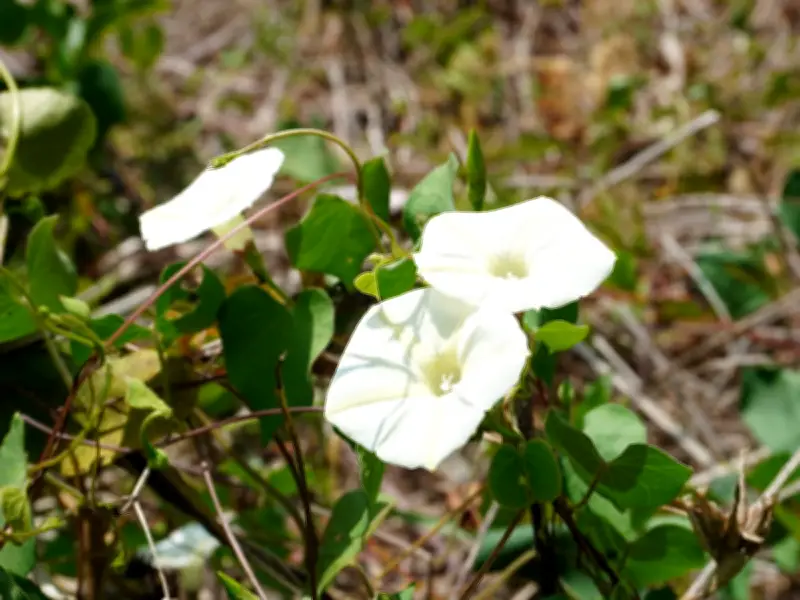
Bindweed can be recognised by its extraordinarily long twining stem and distinctive, large, white, trumpet-shaped flowers. It has the capacity to develop into a substantial mass of foliage, suffocating garden plants, stunting their development or destroying smaller specimens altogether.
The extensive root system of bindweed makes eradication particularly challenging, and failing to extract every part means it will inevitably reappear. To permanently eradicate the weed, Ish revealed that the most effective approach is also the most straightforward — and requires no harsh chemicals whatsoever. The gardening expert advised returning to basics by simply digging out the bindweed roots by hand.
According to Ish, excavating the weed's roots has already contributed to reducing its presence. This method serves to undermine the root system and prevents the plant from returning with the same vigour.
Ish said: "The thing is with bindweed, if you keep pulling it from the ground, you're slowly weakening it. It's not getting the sunlight it needs and nutrition, and as a result, it will start to die down."
Starving bindweed of light
A further useful technique Ish recommends is depriving the weed of light by surrounding it with densely-foliaged plants and flowers. Ish favours salvias and penstemons for this purpose. These thick-leaved plants block sunlight from reaching the soil, effectively starving the bindweed and gradually diminishing it over time.
The Royal Horticultural Society notes that bindweed competes aggressively with neighbouring plants for moisture, nutrients, space and light. Left unchecked, its stems can engulf surrounding plants, with its deep and extensive root network making it a particularly stubborn weed to eliminate.
Ish continued: "Another thing to look out for is bindweed that's flowering, because this is actually when it's at its most vulnerable. It's put all its energy into this flower, it's not really focusing on the growth, so when you really put that up, you actually stress it out massively which slows it down a little more. So the real trick to getting rid of bindweed is starving it of light and constantly, constantly getting on top of it. It feels laborious, and you may have to do it once a week, but it'll be worth it in the end."
The RHS has also suggested removing the weed's flower heads before seeds can develop; digging out any seedlings, which typically emerge during spring and autumn; or lifting border plants entirely, clearing the soil and replanting afresh.
Should you opt for a weed killer, Ish has previously recommended choosing a natural-based formula comprising water, salt and white vinegar. This mixture will significantly dehydrate the plant, though it won't destroy the root system.