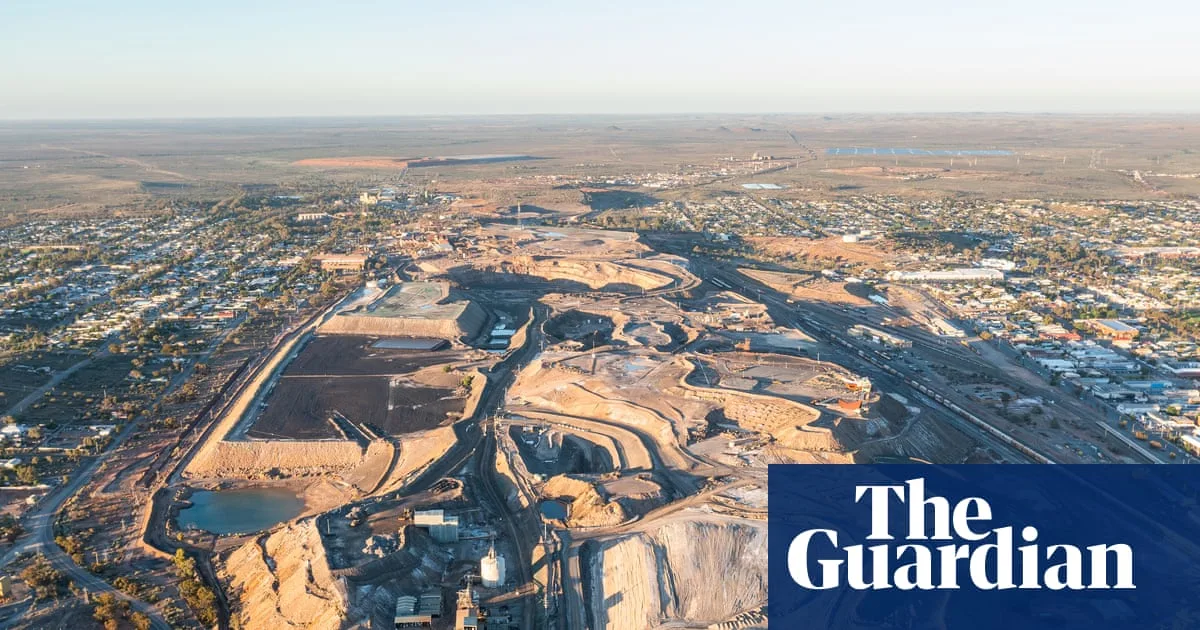
New South Wales’ environment watchdog sat on a report for four years linking elevated lead levels in children’s blood to current mining, and promised mining companies there would be no “finger-pointing”, documents tabled in state parliament reveal.
The internal emails, released under freedom of information laws, show the scientist who produced the report into lead exposure in Broken Hill was texting the Environment Protection Authority (EPA) every two days asking when it would be published. Professor Mark Taylor delivered his report summarising existing research on environmental lead risks at Broken Hill to the EPA in 2019, but it was not made public until late 2023.
The report found that almost half (49%) of children under five and more than three-quarters of Indigenous children (76%) in Broken Hill had elevated blood lead levels. It identified both past and current emissions from mining operations as the “leading source” of environmental exposure. The state government’s LeadSmart website notes that lead can harm brain development in unborn babies, infants and young children, causing lifelong behavioural and learning problems.
Emails show mining companies CBH and Perilya were given access to the report at least a year before its public release. An EPA manager told the companies the agency would “quietly load it onto the LeadSmart website and not tell anyone”, ensuring “no fanfare or media release” and “not doing any finger-pointing at the mines”. The scientist became so frustrated that in June 2022 he wrote: “Eventually, I will just send it to the library – it’s becoming so old it’s embarrassing it’s not out.”
EPA officials blamed delays on a “bureaucratic tangle when the EPA restructured” and apologised to Taylor. In September and October 2022, they cited the need to “socialise the report” with mining companies and “understand any concerns they might have” before publication. The Greens’ mining spokesperson, Cate Faehrmann, accused the EPA of suppressing the report and said the documents exposed a “concerning culture” within the agency.