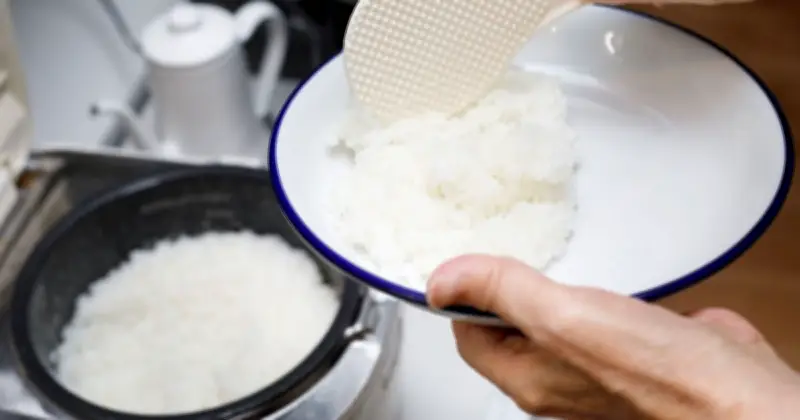
The Rice Association has shared its ultimate guide to cooking rice, highlighting a simple step that can dramatically improve the final texture. The key advice is to let the rice sit for roughly five minutes after cooking, with the lid left on, before fluffing it with a fork. This resting period allows the grains to settle, resulting in a fluffier and tastier dish.
Why Resting Rice Matters
Many home cooks struggle with rice that turns out sludgy or crunchy, often opting for microwavable versions to avoid burning. However, the guide stresses that the most important step comes after the rice is actually cooked. Leaving the lid on and allowing the rice to rest before serving is a step that is all too often missed.
The guide also advises always following the pack instructions, as cooking times and water ratios vary by variety. For example, brown rice typically takes longer to cook than most white rice.

Know Your Rice Varieties
Different varieties of rice require different care. Rinsing some types can help achieve a fluffier finish, while others, such as risotto rice, should never be rinsed. Rinsing risotto rice would remove the starch that gives it its creamy texture.
Rice generally falls into three main categories: short grain, medium grain, and long grain. Long-grain rice has slender kernels that stay separate and fluffy when cooked, making it ideal for curries, stir-fries, salads, and soups. Medium-grain rice is a versatile all-rounder, slightly shorter and plumper with a soft texture, commonly used in Asian-style dishes, rice bowls, and Mediterranean, Middle Eastern, and Korean cooking. Short-grain rice has small, rounded grains that become stickier when cooked, making it suitable for sushi, rice puddings, sweet rice dishes, and breakfasts.