
UK households are being urged to try different species of fish at their local fish and chip shops to help preserve the iconic British takeaway tradition. Nearly a fifth of UK chippies have been warned of potential closure due to soaring costs.
Soaring Cod Prices Threaten Chippies
The price of cod has risen dramatically, with an 18kg case of frozen-at-sea cod increasing by £140 to £299 in just one year. This has stretched margins for shop owners, who fear doubling prices would drive away loyal customers.
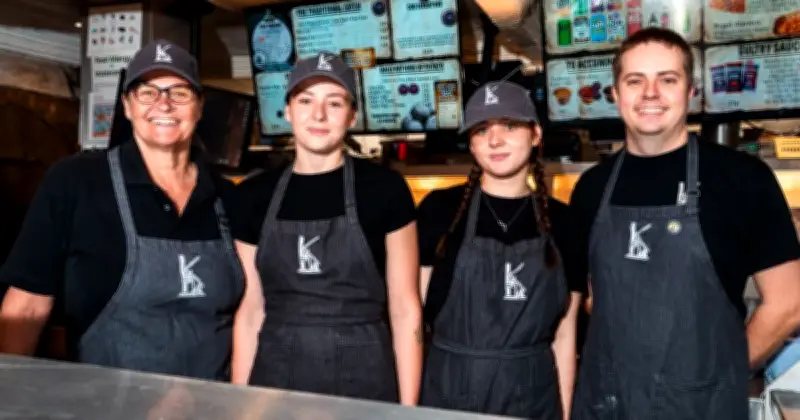
George Morey, manager of Knight's Fish Restaurant in Glastonbury, believes both customers and chippies benefit from switching to equally delicious species. He said: "If people chose to eat other species often enough to help with the cost of cod, and the ability to get hold of cod, everyone will benefit."
Benefits of Alternative Fish
George noted that customers "naturally convert" to hake because they enjoy its taste, notice the savings, and feel good knowing they are helping their local chippy and their budget. Hake is typically less than half the price of cod at just £100 for a 14kg case, allowing businesses to avoid razor-thin margins. He described hake as "sweeter and slightly more delicate" with a "better flake" and "depth of flavour".
In a campaign to save the Great British fish and chip shop, the Daily Express previously revealed that 19% of owners planned to close within a year due to spiralling costs, compounded by having to pay the Government 20% VAT on hot food sales.
Changing Perceptions
George believes the perception of fish and chips needs to change, especially since it often provides more protein than more expensive takeaways. "Fish and chips is still, even with these price rises, the best value, say pound for pound," he said. "The potatoes grow out of the ground, the fish is caught in the ocean, it's an incredible premium product."
He added that trying different species is reminiscent of how the takeaway used to be, when his great-grandfather would sell the catch of the day such as pollock, cod, halibut, and coley – whichever was freshest. "We have to remind ourselves it wasn't always that way. So why can't it be that way again?"
Supporting British Fishermen
John Molnar at The Cod's Scallops in Nottingham said chippies often protect customers from the true scale of price rises. He sells fish for £10, but said it should be nearer £15 because wholesale costs are nearly £5, "and that's before I've touched it, battered it, put it in a box, paid a member of staff to fry it, paid a member of staff to serve it".
His top three sellers are haddock, cod, and hake, closely followed by monkfish, which he says has a similar flavour to lobster since they feed on crustaceans, and sea bass. Most of his fish is sourced from Brixham, Peterhead, and Norfolk.
At Harrisons Fish and Chips in Oxford, rock salmon and Cornish haddock are on the menu from the Cornish Fish Producers Organisation in Newlyn. Ryan Harrison explained: "We write down which boat they've been caught on, and it's become more of an experience rather than just going to a fish and chip shop." Interestingly, his third-best-seller was Hoki from New Zealand, which, despite being imported halfway across the world, is even cheaper than cod.
Industry-Wide Encouragement
While prices usually rise steadily with inflation, cod and haddock have surged over the last five years due to rising fuel costs and the Russian invasion of Ukraine, which triggered a levy on fish by Russian trawlers, boosting demand and thus the price of cod from waters near Norway and Iceland.
Discover Seafood and The National Federation of Fish Fryers are encouraging more shops to embrace domestic species, since the UK tends to rely on five species that are not plentiful in UK waters: cod, haddock, salmon, prawns, and tuna. "The majority of that is imported. We export over 70% of the seafood that we catch in the UK and import 80% of the seafood that we eat. So there's a mismatch there in terms of the balance," said Gavin O'Donnell, a Discover Seafood spokesperson.
"We want to help fish and chip shops build a bit more resilience into their business model to be able to handle some of these price hikes, but also to help to support UK fishermen."




