
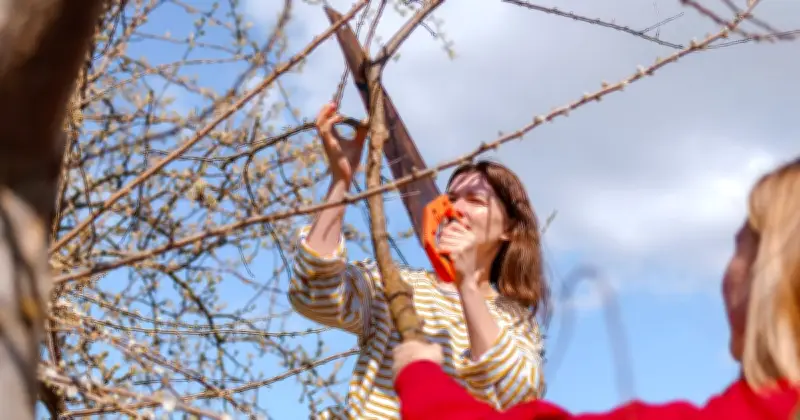
Homeowners planning garden jobs this summer are being urged to check whether a tree is protected before arranging any work, as getting it wrong could lead to fines of up to £20,000. According to home maintenance experts at MD Carpentry Workshop, many people assume they can prune or remove any tree within their property boundary. However, if that tree is covered by a Tree Preservation Order (TPO), carrying out work without local authority permission is a criminal offence.
What is a Tree Preservation Order?
TPOs are made by local authorities to protect trees that provide an important public amenity. They make it an offence to cut down, top, lop, uproot, wilfully damage or wilfully destroy a protected tree without written consent, unless a legal exemption applies. Courts can impose fines of up to £20,000 per tree, while the most serious offences heard in a Crown Court can result in unlimited fines.
Common misconceptions
Martin Dooley, home maintenance expert at MD Carpentry Workshop, said it was a mistake that is easy to make because many homeowners simply do not realise legal protections can apply to trees on private land. He said: “People are often surprised to learn that owning the land doesn't automatically mean you can do whatever you like with every tree growing on it. If you're planning to cut back large branches or remove a tree altogether, it's always worth checking first. Spending a few minutes making sure you're allowed to carry out the work could save you from a very expensive mistake.”
When is a tree protected?
Martin said homeowners should not assume a tree can be removed simply because it is becoming inconvenient. “A tree might be blocking more light into the garden, getting in the way of future plans or starting to feel too large for the space, but those things don't automatically mean it can be cut down. If the tree is protected, the council may decide that careful pruning is the better option, or suggest another solution that helps manage the issue while keeping the tree.”
Check before you chop
He also warned against relying on assumptions or advice from others. “It's easy to think that because a neighbour has had similar work carried out, the same rules apply to your property, but Tree Preservation Orders are specific to individual trees and locations. The safest approach is to check with your local authority before booking a tree surgeon. It's a quick step that can prevent delays, unexpected costs and potential enforcement action later on.”




