After a hot, dry summer, the return of rain will be welcome news for many gardeners. Chris Bonnett, founder of GardeningExpress, has shared his tips on what gardeners should do to help their plants recover as we move from drought conditions to wetter weather.
Rain may not reach drought-stressed roots
After weeks of dry weather, it can be tempting to assume that a few days of rain will solve all of your garden's problems. However, drought-stressed plants may take time to recover, and heavy rainfall does not always mean that enough water has reached their roots.
In very dry conditions, soil can become hard and compacted, causing rainwater to run off the surface rather than soaking deep into the ground. Checking the soil beneath the surface will help you work out whether plants have received enough moisture. Young plants, newly planted trees and shrubs may still need additional watering, particularly if rainfall has been light or has not properly penetrated the soil around their roots.

Watch drainage and waterlogged pots
While the return of rain can help gardens recover, it is also important to keep an eye on drainage. Plants sitting in waterlogged soil for long periods can struggle just as much as those that have been left too dry, as their roots need access to oxygen to remain healthy.
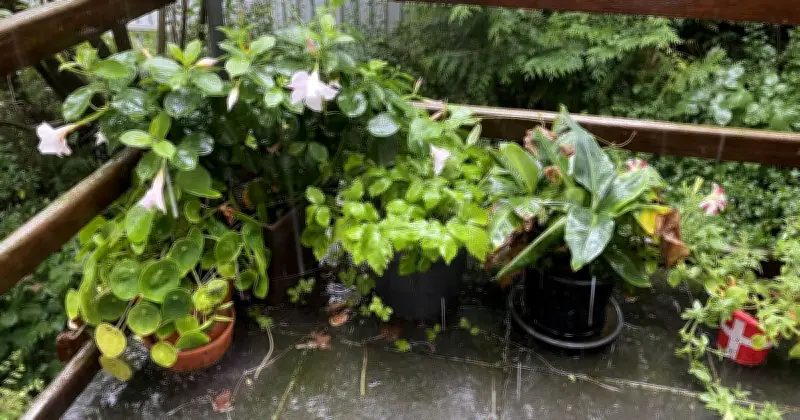
Container plants should also be checked regularly, as pots can quickly become saturated during prolonged periods of rain. Make sure drainage holes are not blocked and avoid leaving pots sitting in water for too long.
Five steps to help plants recover
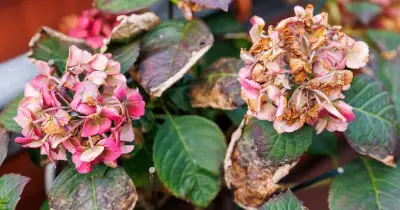
Damaged or brown leaves may not immediately turn green again, so gardeners should avoid assuming a plant is dead as soon as the weather changes. Give plants time to recover and look for signs of healthy new growth.
1. Check pots and containers. Container plants can dry out quickly during drought, but they can also become waterlogged when the rain returns. Check that drainage holes are clear and empty any saucers or containers that are holding excess water. Raising pots slightly off the ground can also help excess water drain away more easily.
2. Check whether the rain has reached the roots. A few showers may not be enough to fully rehydrate plants after a long period of dry weather, particularly if the soil has become hard or compacted. Check the moisture beneath the surface rather than relying on how wet the top of the soil looks. If it is still dry around the roots, continue to water deeply to help moisture reach the areas where plants need it most.
3. Don't stop watering everything immediately. The return of rain does not necessarily mean that every plant has received enough water. Newly planted trees, shrubs and bedding plants can still be vulnerable after weeks of dry weather, especially if rainfall has been patchy. Monitor the soil and only provide additional water where it is needed rather than relying entirely on the weather forecast.
4. Watch out for waterlogged soil. Gardens can quickly go from being too dry to too wet, particularly after heavy rainfall. If water is sitting around plants for long periods, check that drainage is not being blocked. Waterlogged soil can prevent roots from getting the oxygen they need.
5. Give drought-stressed plants time to recover. Plants that have suffered during the dry weather may not immediately bounce back after a few days of rain. Brown or damaged leaves may remain, but healthy new growth can be a sign that the plant is beginning to recover. Avoid overwatering or heavily pruning stressed plants straight away, and give them time to adjust as conditions become cooler and wetter.