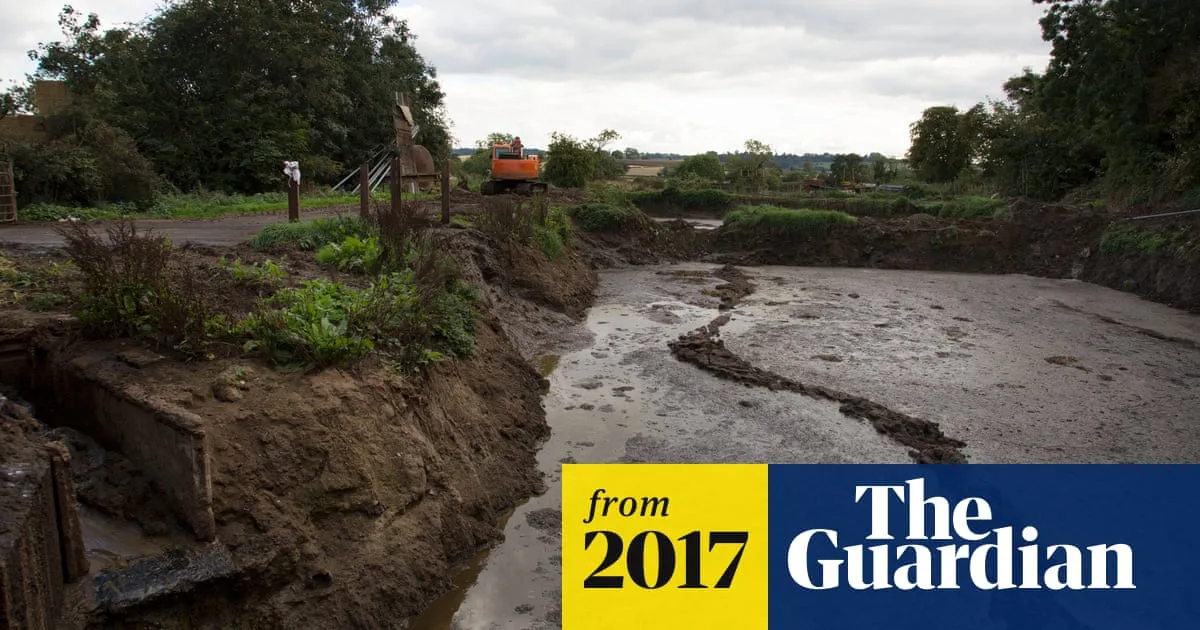
Serious pollution incidents from livestock farms are now a weekly occurrence in the UK, according to Environment Agency figures obtained by the Bureau of Investigative Journalism and the Guardian. Between 2010 and 2016, 536 of the most severe incidents were recorded across Britain, among more than 5,300 cases of agricultural pollution. The damage affects wildlife, fish, farm livestock, and causes air and water pollution.
Dairy farms account for the majority of recorded pollution: of 3,700 incidents in England and Wales from 2010 to 2016, just over 2,000 involved dairy farms, while 664 were linked to poultry and 444 to pig farms. The most serious incidents, deemed to have major or significant environmental impact, were also most frequent on dairy farms, with 351 of 424 total. The south-west of England had the highest number of serious incidents (125), followed by the Midlands (55).
Despite the severity, many cases go unprosecuted. The Environment Agency brought 134 prosecutions in England between 2010 and 2016, with 128 resulting in guilty verdicts. Fines ranged from £300 to £45,000, though magistrates can impose up to £50,000 or six months' imprisonment. Only 23 fines were £10,000 or above. Farms that cause pollution continue to receive subsidies, and some farmers appear to treat fines as a cost of doing business, with one inspector noting 'leading criminal lifestyles' in inspection logs.
Underinvestment in equipment such as slurry stores is a likely cause, as farmers struggle with pollution prevention costs. The situation may worsen with Brexit threatening farm incomes. Large intensive farms, on the rise in the UK, also contribute: over 1,000 instances of non-compliance were identified each year from 2014 to 2016 at such farms. The Environment Agency stated it will not hesitate to take enforcement action, including prosecution, for serious incidents.