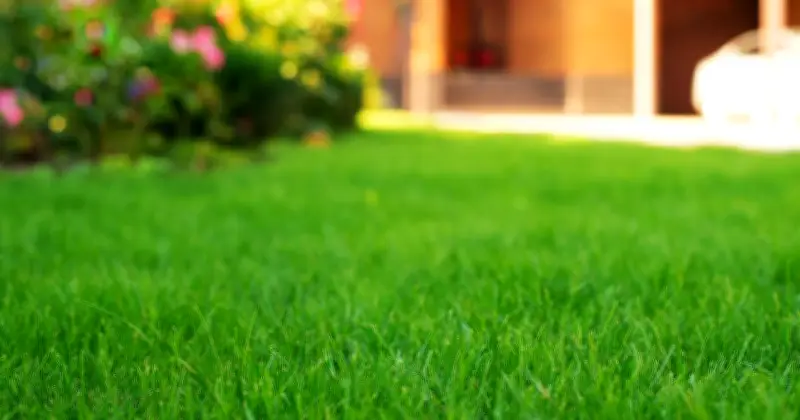
After weeks of hot and dry weather, with the UK experiencing its fifth heatwave of the summer, garden lawns have been left looking yellow and brown. Hot weather causes grass to become stressed, leading to brown patches and a lack of growth, especially when there has been so little rain.
According to gardening experts, three essential steps can help revive your grass and ensure it grows back thicker, greener and healthier, so it stays looking luscious throughout the summer.
Mow regularly but avoid cutting too short
The first step to achieving a healthier, greener lawn is to regularly mow your lawn – around once or twice a week – as this encourages grass to grow and helps to stop weeds developing and stealing all the nutrients. But crucially, you should avoid cutting your lawn too short by adjusting the height of your lawnmower blade.

Raising the height of the lawn mower blade helps to reduce stress on your lawn and will allow the blades of grass to retain more moisture, helping it to stay green and healthy. Experts say a good rule to follow is to avoid cutting off more than one third of the grass blade length in a single mow. During dry weather or heatwaves, the blade should be raised higher to allow the grass to build deep roots and create natural shade for the soil.
The Turf Doctor explains: “Regularly mowing your lawn helps make the grass greener and thicker. You might have heard that getting your hair trimmed regularly helps it to grow faster, and the same goes for the grass on your lawn!
“Regular mowing encourages grass to grow thicker and greener through a process known as the 'stimulation effect.' When you mow your lawn consistently and at a decent height, you remove the top portion of the grass blades, which prompts the grass to respond by producing new shoots and leaves.
“This stimulates lateral growth, promoting a denser turf as the grass plant works to compensate for the loss of leaf on top. Plus, regular mowing has the additional benefit of preventing weeds from developing, so your grass gets a greater share of all the good stuff: available sunlight, nutrients, and water. It can allocate more resources to growth, leading to a thicker and healthier lawn with a lush green appearance.”
Water wisely and use grey water
The second essential step to a healthier looking lawn is to water your lawn as this encourages the roots to grow deeper into the soil, making your grass more drought tolerant, and helps grass to absorb nutrients more effectively.
All of Wales and nearly three-quarters of England are now officially in drought after record low rainfall and exceptionally high temperatures, but rain showers this week have brought some much needed moisture back into gardens which should help to start to revive parched lawns.
Several hosepipe bans are currently in force across the UK imposed by Thames Water, Anglian Water, South West Water, Southern Water and Wessex Water, among others, affecting 27 million customers around the country. But households can use other means to prevent their lawn from drying out, like using grey water instead which comes from non-toilet plumbing systems like your bath, shower, sink, and even the water you boil vegetables in.
Experts at East River Nursery explain: “The next time you boil pasta or steam some vegetables in your kitchen, instead of pouring the water down the drain, use it in your garden or in your house to keep your plants green and flourishing.
“You can also use water from boiling eggs, which is full of calcium your plant needs to grow. This method of watering your plants works because it acts like a fertiliser to give your plants the nutrition they need to survive.”
They add: “There are many advantages to using cooking water to feed your plants. Not only is it cost effective and resourceful, the fertiliser it provides for your plants gives them a more stable and steady growth period. The water will help promote natural nutrient storage within the soil.
“This means you will not have to fertilise your plants or garden as often providing longevity for your soil. It will also help your soil retain more moisture, therefore reducing the amount of times you will need to water.”