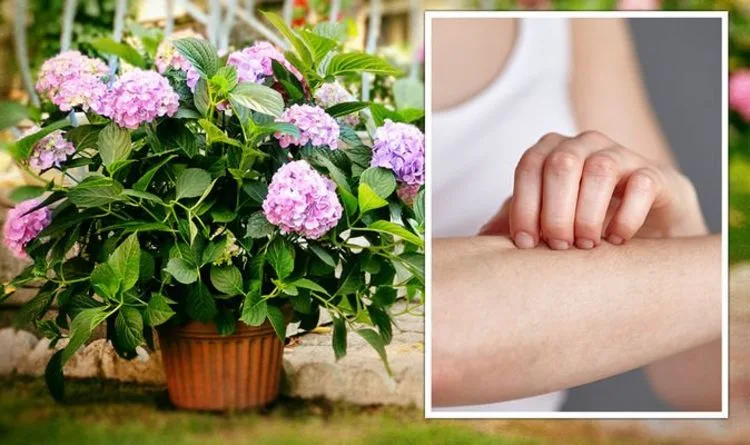
Gardeners across the UK are being warned about common indoor and outdoor plants that can pose serious risks to children and pets. Research by GardenBuildingsDirect.co.uk and London Furniture Disposal has identified several popular species that contain harmful toxins.
Lily of the Valley, despite its pleasant appearance and scent, contains cardiac glycosides that can cause dizziness, sickness, and a rash. Oleanders are particularly dangerous due to high toxin concentrations in their nectar and sap, leading to severe digestive issues with sufficient exposure.
Rhododendrons produce toxic honey that can cause vomiting, confusion, and heart problems, while eating too many leaves may lead to kidney failure. Daffodil bulbs are especially hazardous to pets that dig, causing vomiting, convulsions, and diarrhoea if ingested.

Deadly nightshade, found in central, eastern, and southern parts of the UK, can cause dilated pupils, balance problems, and a rash. Among houseplants, Devil's Ivy is toxic to pets if eaten, and Peace Lilies can be harmful to animals when ingested. Calla Lilies contain calcium oxalate crystals that cause swelling and pain, while Dracaena can lead to nausea, vomiting, and diarrhoea in cats and dogs. English Ivy may cause weakness, vomiting, throat swelling, dermatitis, rash, and ataxia.
A spokesperson for GardenBuildingsDirect.co.uk said: "Many plants in our garden may appear innocent at first glance, but there are some silent assassins that can pose, in some cases, a deadly risk." However, experts note that significant quantities would typically need to be consumed for fatal outcomes.