
August often means gardens must cope without regular attention while owners enjoy holidays. With many weeks of dry weather, high temperatures, and water restrictions in the UK, choosing plants that look good with minimal care is wise. Even tough plants benefit from good preparation, but some are naturally better equipped for short dry spells.
Look for plants with silvery leaves, aromatic foliage, fleshy stems, deep roots, and narrow leaves—these are signs of adaptation for water conservation and hot, dry conditions.
Thriving Blooms for Color
For color, choose plants known to handle sun and dry spells once established. Nepeta, salvias, achillea, verbena bonariensis, eryngiums, and hylotelephium are particularly useful in late summer. They are also loved by pollinators, adding a wildlife-friendly bonus.
For containers, pelargoniums cope well with drier compost compared to other bedding plants. Agapanthus is also reliable in pots if watered thoroughly before you leave.
Versatile Foliage Options
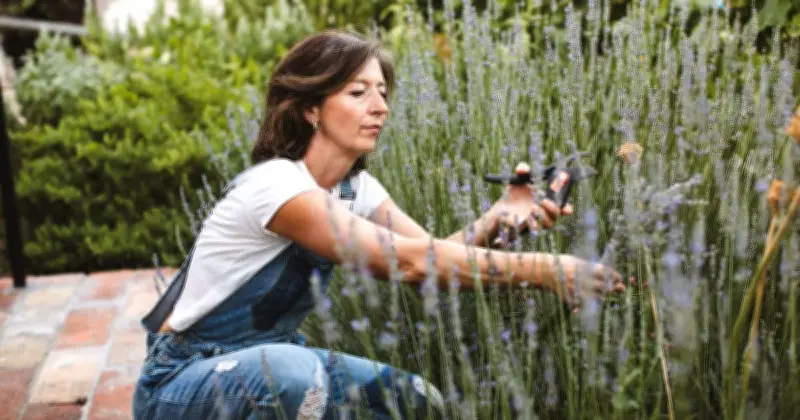
Foliage can maintain a display even when flowers slow down. Stachys byzantina, or lamb's ear, has soft silver leaves that reflect light and tolerate dry conditions. Artemisia offers a similar silvery effect, while lavender and rosemary bring evergreen structure and fragrance.
These plants suit sunny borders, gravel gardens, and pots, supporting the border with less maintenance and no need for deadheading.
Structural Shrubs and Grasses
Established drought-tolerant shrubs are valuable when the garden must look after itself. Lavender, rosemary, hebes, and some euphorbias provide shape, color, and texture through August. The key is that they must be established; newly planted shrubs still need regular water while roots settle.
Ornamental grasses are excellent for holiday periods, bringing movement without much attention. Stipa tenuissima and miscanthus catch the light beautifully and add structure as summer progresses. Seedheads from eryngiums, alliums, and teasels hold their shape well, so not everything needs cutting back before you go.
Preparation Before You Leave
Water deeply before travelling, aiming at the root zone rather than leaves. Group pots together, move vulnerable containers into light shade, and mulch borders to slow evaporation. If hosepipe restrictions are in place, follow local rules. Use stored rainwater, watering cans where permitted, or short-term grey water where suitable, avoiding grey water on edible crops. Even drought-tolerant plants need support in prolonged dry weather, but the right choices will cope far better until your return.




