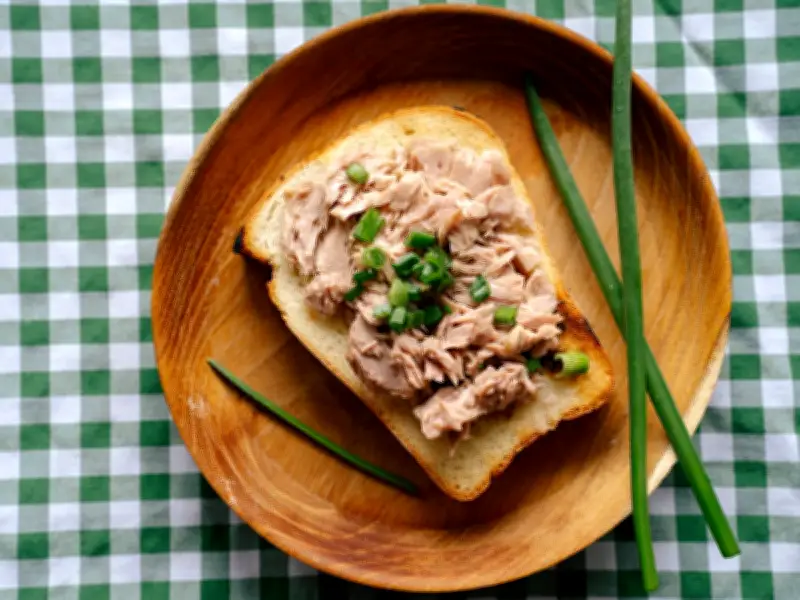
A simple ingredient swap transforms classic tuna salad into a lighter, more nutritious dish without sacrificing creaminess. By replacing mayonnaise with Greek yogurt, home cooks can significantly reduce calories and unhealthy fats while boosting protein content.
Yumna Jawad, cook and founder of Feel Good Foodie, shared her no-mayo tuna salad recipe, explaining: "I use Greek yoghurt rather than mayonnaise to make this wonderfully creamy. Greek yoghurt is also a great source of protein and probiotics." The substitution provides the same thick, indulgent texture as mayo but with a fresher, tangier flavor that complements tuna without overpowering it.
Why Greek Yogurt Works Better Than Mayo
Mayonnaise can often make tuna salad taste greasy and adds considerable calories. Greek yogurt, on the other hand, offers a subtle tangy note and is rich in protein while containing fewer calories and unhealthy fats. This enables a more nutritious dish that keeps you fuller for longer, according to the Express.
Jawad added: "This healthy tuna salad is full of flavour, light on calories and super easy to whip up for lunch any day of the week! Swap the mayo for Greek yoghurt and dijon mustard and save those calories for a treat later."
No-Mayo Tuna Salad Recipe
Ingredients:
- Two cans of drained tuna (around 280g)
- 80g of Greek yoghurt
- Two tablespoons of lemon juice
- One tablespoon of Dijon mustard
- One tablespoon of dill or parsley (chopped)
- Two tablespoons of red onion (minced)
- Two celery sticks (minced)
- Salt and pepper
Method:
Whipping up the filling couldn't be easier. Simply combine the Greek yoghurt, lemon juice, mustard, herbs (dill or parsley), and salt and pepper in a bowl. Mix all the ingredients together thoroughly, then open and drain the tins of tuna.
Finely chop the celery and red onions before folding them into the bowl alongside the tuna, stirring everything together until evenly combined. Your delicious mayonnaise-free tuna filling will then be ready to serve at lunchtime or pack up for a picnic.
Any remaining portions should be stored in an airtight container and eaten within three to four days.