As the final hours of the year tick down, countless dogs across the UK are facing a night of distress. The loud booms and bright flashes of New Year's Eve fireworks can trigger intense fear and anxiety in our canine companions. Experts warn that without proactive measures, pets may exhibit severe signs of stress.
Recognising the Signs of Canine Distress
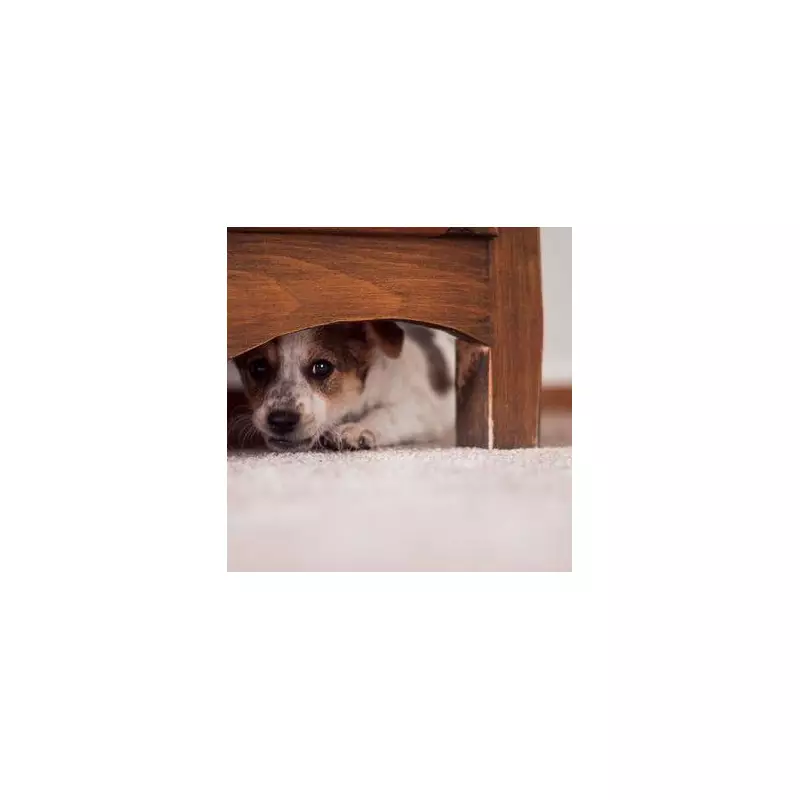
According to veterinary resource Pet MD, dogs scared of fireworks might hide, tremble, pace, or whine in response to the sounds. The Dog's Trust expands on this, listing clear behavioural indicators that owners should watch for. These include:
- Whining, barking, crying, or growling.
- Heavy panting, drooling, or excessive lip-licking.
- Tucking their tail between their legs or hiding under furniture.
- Shaking, trembling, or pacing restlessly.
- Attempting to run away or escape, and refusing food.
Identifying these signs is the first step towards providing the right support for your pet during the celebrations.

Three Proactive Strategies for a Calmer Night
To help your dog navigate the festivities with greater ease, animal specialists recommend implementing a three-pronged approach. Taking action ahead of time is crucial for their wellbeing.
1. Prioritise Exercise and Mental Stimulation
The first tip is to ensure your dog is thoroughly tired out before the fireworks begin. A dog that is both mentally and physically exhausted is often less reactive to startling noises. Plan a day filled with long walks, hikes, or extended play sessions to help your pup remain more composed when the displays start.
2. Implement Gradual Sound Training
Specialists strongly advocate for sound training to desensitise dogs to fireworks. This involves gradually introducing them to recorded firework sounds in a calm, controlled setting. Begin by playing the sounds at a very low volume for short periods while giving your dog tasty treats and praise for staying calm. Turn the sound off and stop the treats when it finishes.
Repeat this process, always starting at a low level, until your dog looks to you expectantly when the noise begins. Slowly increase the volume over several sessions and use a variety of firework recordings. The goal is for your dog to build positive associations with the noises.
3. Adjust Feeding and Toilet Schedules
The final piece of practical advice is to bring forward your dog's evening meal and last toilet break. A frightened dog may refuse to go outside once the fireworks have started, leading to accidents and increased anxiety. By ensuring they have eaten and relieved themselves earlier, you can prevent additional stress. The Dog's Trust also advises: "If you don't have a fenced garden, take your dog out for toilet walks on a lead, just in case you hear fireworks while you're outside."
Act Now for a Peaceful Celebration
With New Year's Eve fast approaching, the time to prepare is now. By combining physical tiredness, careful desensitisation, and smart scheduling, you can significantly reduce your dog's fear. These steps will help ensure that both you and your four-legged friend can see in the new year with less worry and more comfort.