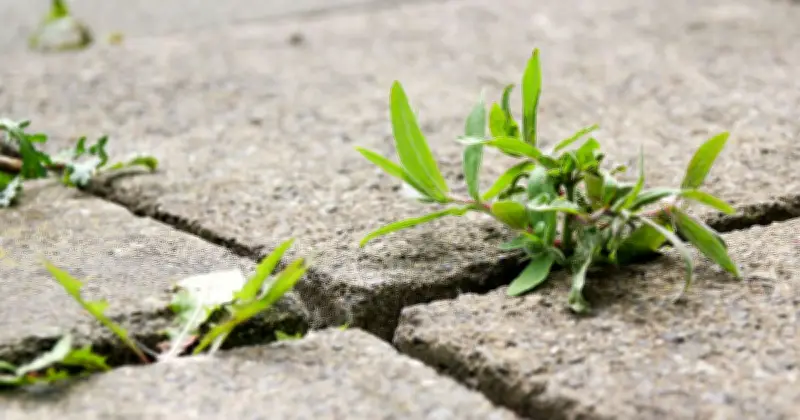
Weeds are simply plants growing in the wrong place, but they can reveal a surprising amount about your garden's health. By early October, as summer growth settles, recurring weeds can indicate patterns in soil, drainage, and land use. One plant alone isn't a complete diagnosis, but repeated growth in the same spots offers helpful hints.
Understanding Weed Locations
Start by noting where weeds appear. Common plantain thrives in lawns, paths, and areas with heavy foot traffic, so repeated growth may suggest compacted ground. Dandelions cope well with compaction thanks to deep taproots, especially where shallower-rooted plants struggle.
Freshly cultivated or bare soil often welcomes annual weeds like groundsel, chickweed, and cleavers. If they reappear after digging or clearing, exposed soil has likely given dormant weed seeds the light and moisture they need to germinate.
Moisture and Drainage Clues
October is a good time to assess weed growth and take action. Creeping buttercup is common on poorly drained ground, while moss spreading through a lawn can signal wet conditions, shade, or compaction. If these appear alongside puddling after rain, examine drainage rather than just removing plants.
Wetter autumn weather makes drainage issues more obvious. Avoid working waterlogged soil, and consider aerating compacted lawns or improving suitable beds with organic matter.
Persistent and Soil-Specific Weeds
Some weeds reveal long-term garden behaviour. Bindweed, couch grass, and other perennials return from spreading underground roots or stems, showing how resilient their root systems are. Annual weeds behave differently—groundsel produces large quantities of seed, while chickweed and annual meadow grass germinate whenever conditions are favourable. Reducing bare soil and removing plants before they seed can gradually make a difference.
Certain plants hint at soil chemistry too. Sheep's sorrel is associated with acidic ground, while fat hen often flourishes on alkaline soil. Treat weeds as clues rather than proof—a simple soil test gives a much clearer answer. Their location, abundance, and persistence highlight wet patches, compacted routes, disturbed soil, and areas needing extra care.
For more on managing weeds, catch episode 15 of Step-by-Step Gardening on David Domoney's YouTube channel, @daviddomoney.
Focus Plant: Autumn Crocus
Colchicum, commonly called autumn crocus or meadow saffron, blooms in September and October, preferring moist but well-drained soil. Its goblet-shaped flowers appear from bare ground in shades of lilac, pink, or white. Broad leaves appear separately in spring, then die back before flowers emerge.
They work well planted in groups through short grass, beneath deciduous trees, or towards the front of a border. Colchicum 'Waterlily' has fully double lilac-pink flowers reaching around 12cm. Colchicum speciosum 'Album' produces pure white flowers, while 'Giant' has larger purple-violet blooms reaching around 20cm.
Grow colchicums in fertile, moist but well-drained soil in full sun or partial shade. Avoid waterlogged ground, especially while corms are dormant. Once established, they need little attention. In early October, enjoy the flowers and avoid disturbing plants. If clumps need dividing, wait until corms are fully dormant in summer. Leave spring foliage to die back naturally. All parts of colchicum are toxic if eaten, so wear gloves when handling corms. They are sometimes called “naked ladies” because autumn flowers appear without leaves.
Gardening Jobs for October
Remove stakes, hoops, and supports from herbaceous plants once they've died back. Leave attractive seedheads and sturdy stems for winter structure and wildlife. Clean supports before storing dry.
Sow fresh cowslip seed (Primula veris) now—seeds benefit from winter cold to break dormancy. Sow into trays or pots and leave outdoors in a sheltered spot like a cold frame, protecting from heavy rain. Germination begins in spring.
Check plants regularly for grey mould during damp autumn weather. Remove affected leaves, flowers, or stems promptly, as spores spread easily. Good airflow helps, so avoid overcrowding and clear diseased material.
Inspect wooden compost bins before winter. Replace rotten boards and secure loose sections while conditions are comfortable. A sound bin keeps compost contained while allowing airflow.
Once cranberries are harvested, trim untidy growth to keep plants compact. Avoid severe pruning, focusing on keeping low, spreading plants neat after fruiting.
Did You Know?
Beech hedges may be deciduous, but they often hold crisp, copper-brown leaves through winter—a retention known as marcescence that gives screening and structure. Nuthatches can climb down tree trunks headfirst, a skill no other UK bird regularly performs. Traditional woven hurdles are made from flexible hazel or willow, offering natural-looking fencing that allows wind to pass. Before Peter Rabbit made her famous, Beatrix Potter studied fungi under the microscope, producing detailed scientific illustrations as a serious mycologist.