
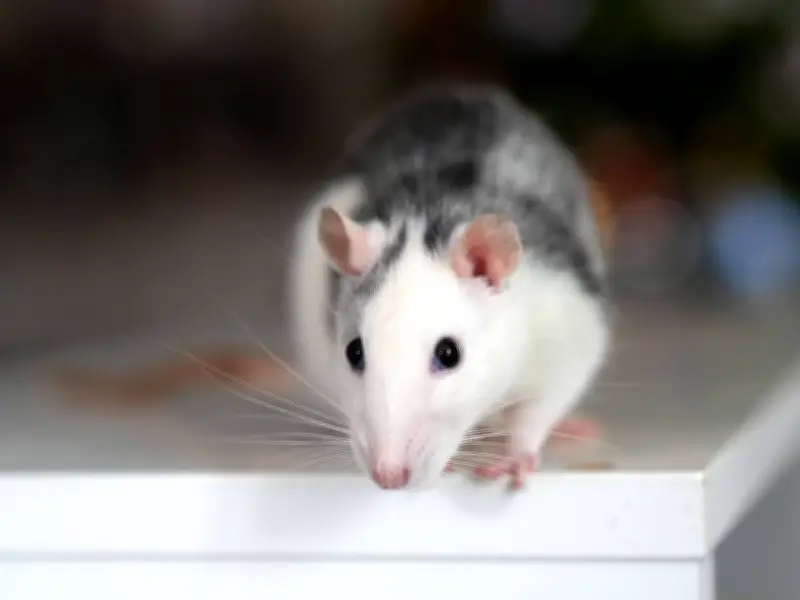
Rats become increasingly active in the UK during summer, and they can squeeze through a gap as small as 20mm — roughly the diameter of a £1 coin. A common 36p item, wire wool, can stop them from entering your home.
Why Summer Brings More Rats
Summer heatwaves in the UK create optimal conditions for rat breeding. These rodents seek shelter, food, and water, often found in bins and communal rubbish areas. Saif Derzi, award-winning property expert and founder of Property Buyers Today, explains: "Hot weather often forces rats out of drains, sewers and underground burrows as they search for food and water. At the same time, gardens become more attractive thanks to barbecues, food waste and accessible water sources."
UK searches for 'how to get rid of rats in garden' have increased by 50% over the past week alone, reflecting growing concern among homeowners.
The 20mm Myth
Many homeowners mistakenly believe rats need a large hole to enter. Derzi notes: "Many homeowners will be surprised that rats only need a gap of around 20mm, roughly the size of a £1 coin, to gain access to a property. The biggest mistake people make is assuming rats need a large opening to get inside."
The 36p Solution: Wire Wool
Wire wool, available at Asda for £1.08 for a three-pack (36p per piece), is an effective deterrent. Its tough material composition prevents rats and mice from chewing through it. The flexibility of steel wool allows it to plug even the tiniest openings that rodents might use as access points.
How to Use Wire Wool Effectively
Inspect for gaps around pipes and cables, deteriorated air bricks, cracks in walls and foundations, and damaged drains. After positioning wire wool, apply a sealant such as cement, caulk, or expanding foam to make it airtight and permanently keep rodents at bay.
John Horsley, Technical Officer at the British Pest Control Association, advises: "Wire wool is a great product when used correctly, but often requires covering with silicone, meaning it's better for smaller holes. I particularly like this for proofing door frame corners or small holes in the brickwork. It can be more discreet than a metal plate, and using silicone over the top helps it stay in place."
Derzi adds: "Small gaps around pipes and cables can often be sealed using wire wool and cement or specialist expanding foam, while damaged air bricks should be fitted with metal mesh covers that maintain ventilation while preventing access."
Safety Warning
Wire wool is extremely flammable and must not be used in locations with intense temperatures. It should be kept away from electrical contact, exposed wiring, and zones with high static charge or significant heat, as it can readily ignite.
When to Call a Professional
For active rat infestations, expert pest control assistance is recommended. DIY approaches often fail to address the underlying cause and may not eliminate the rodents completely.




