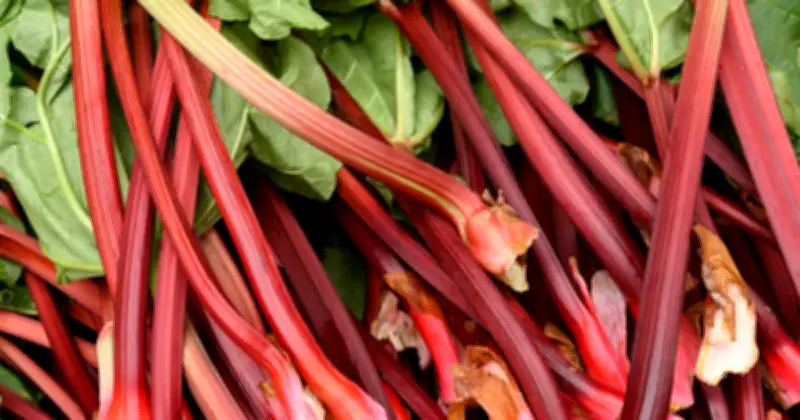
Gardeners are being told to stop harvesting rhubarb this month to ensure a better crop next year. Mertie Mae, a gardening expert and founder of Horticulture Talk, advises leaving the plant undisturbed for the rest of the summer.
Why Stop Harvesting?
Mertie Mae said: "Allowing the plant to grow for the rest of the summer will give it the sugars and nutrients needed to get it through the winter and allow it to produce well the next year."
Rhubarb continues to develop stalks through summer, but continuous harvesting leaves the plant little time to recover before autumn's cold weather arrives. The plant relies on rhizomes, which store sugars and nutrients to survive cold temperatures and regrow in spring.
Impact of Over-Harvesting
Repeatedly picking rhubarb stalks drains the plant's energy reserves, causing stress and interfering with its growth cycle. This can lead to weaker, thinner, and bitter-tasting stalks the following year. In severe cases, the plant may not survive winter or regrow in spring.
July and August are often dry, adding stress to rhubarb. Mertie Mae explained: "The lower amount of available water and the lower amount of sugar (because the reserve from the previous year has been used in spring) make the stalks thin and of a poorer quality."
Other Care Tips
Gardeners should remove any flowers that appear on rhubarb, as they can divert energy from the roots. Watering at least once a week, especially when the soil is dry, is also recommended during hot summer months.
Allowing rhubarb to die back naturally will reward gardeners with a thriving plant next spring, producing thick, red stalks for enjoyment.