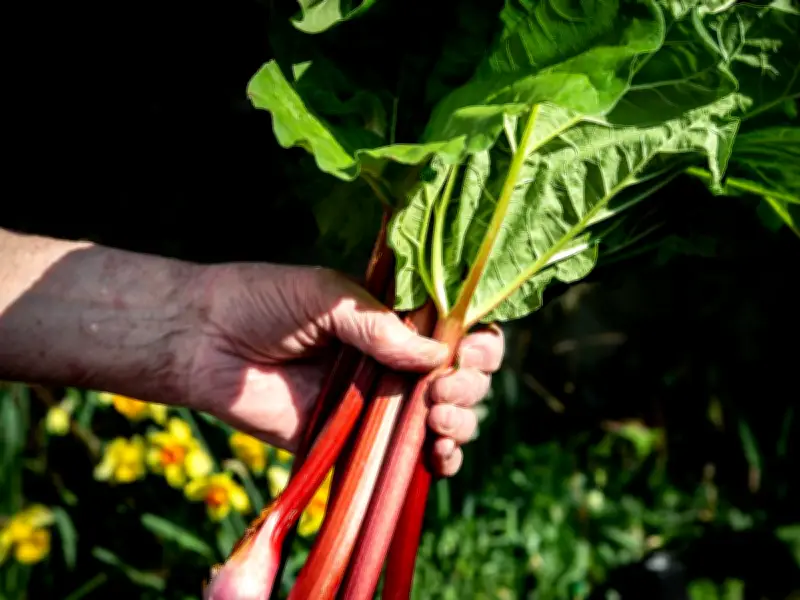
Gardeners are being advised to stop harvesting rhubarb during the summer months to keep the plant healthy and productive. Mertie Mae, a gardening specialist and founder of Horticulture Talk, says that leaving rhubarb untouched after the initial harvest allows it to store the sugars and nutrients it needs to survive winter and produce well the following year.
Why Leaving Rhubarb Alone Is Important
Rhubarb is a hardy perennial that regrows each year thanks to rhizomes, which store energy. The stalks allow the leaves to photosynthesise, and by leaving the plant alone in summer, it can convert energy into extra sugars and nutrients for winter survival.
Repeatedly picking the stalks drains the plant's energy stores, causing significant strain and disrupting its natural growth. This can lead to weaker, spindly, and bitter stalks the next year, and in severe cases, the plant may not survive the winter at all.
Watering and Flower Removal
July and August are often dry months, adding stress to rhubarb. Mertie Mae explains that lower water availability and reduced sugar reserves make the stalks thin and of poorer quality. To keep rhubarb robust, gardeners should water it at least once a week, especially when the soil looks dry.
It's also important to remove any flowers that appear, as they can divert energy away from the roots and prevent the plant from building up its winter reserves. By letting rhubarb die back naturally and care for itself, gardeners can enjoy a thriving plant with plump red stalks next spring.