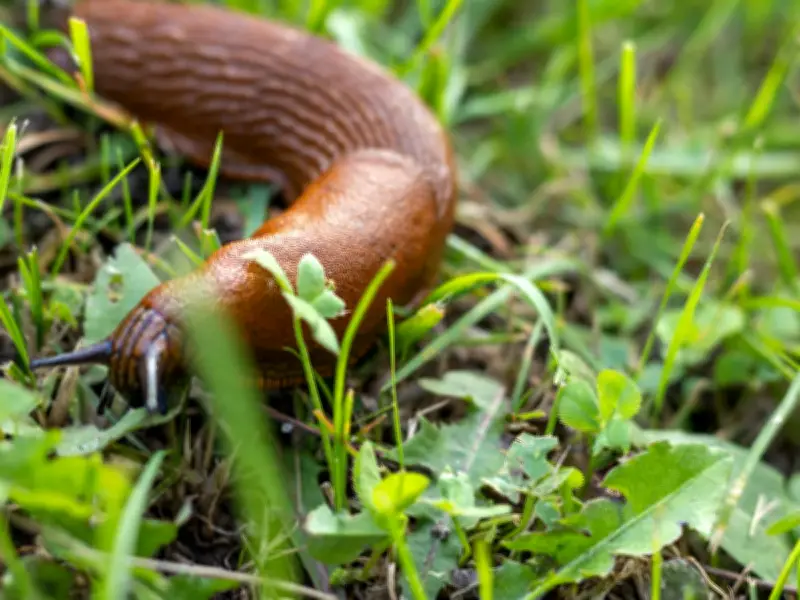
Keeping a garden free of pests can be challenging. Slugs, snails and squirrels can cause significant damage to outdoor areas, especially in summer. Warm, humid nights are perfect for slugs and snails, which eat vegetables and young plants. In summer, squirrels raise a second litter and search for food, potentially digging up bulbs or gnawing furniture. Chic Teak, a garden furniture specialist, has shared tips for a pest-free garden.
Stop slugs and snails in the garden
The first step is to adjust your watering routine. Slugs and snails are most active in the evening, so watering plants in the morning is recommended. Adding horticultural grit or crushed eggshells to the soil can also deter them, as the sharp edges make it difficult for them to move across.
Another method is to attract natural predators such as frogs, hedgehogs and birds, which eat slugs and snails. Creating wildlife-friendly zones in the garden can help control the problem.
How to create a wildlife friendly space
To attract frogs and toads, consider building a small wildlife pond with a gently sloping edge for easy access. They also benefit from cool, shaded areas like upturned pots or log piles near the water. For birds, provide a reliable fresh water source such as a clean, topped-up bird bath.
How to keep squirrels out
Squirrels can cause damage by digging up bulbs and searching for food. To discourage them, place wire mesh beneath the soil over newly planted seedlings and bulbs. Cover the surface of containers with stones or gravel to prevent digging. Regularly clear away fallen seeds or nuts and position bird feeders away from seating areas and garden beds.