Supermarket shoppers are being warned to expect price rises on key staple foods such as carrots, potatoes and onions due to the ongoing heatwave and drought conditions affecting half of England. The fourth heatwave of the summer has led to a wave of hosepipe bans and raised concerns about the impact on British farming.
Experts warn of 'real damage' to crops
On Wednesday, experts said the 'real damage' is not to brown lawns and empty water butts in gardens, but the effect on agriculture. Crops are struggling, farmers are worried, and shoppers could soon be paying the price for a summer with barely any rain.
Molly Monks, an insolvency expert at Parker Walsh, warned that the drought is not just a headache for farmers but a genuine financial risk that could push already-struggling food businesses over the edge.
Staples likely to be hardest hit
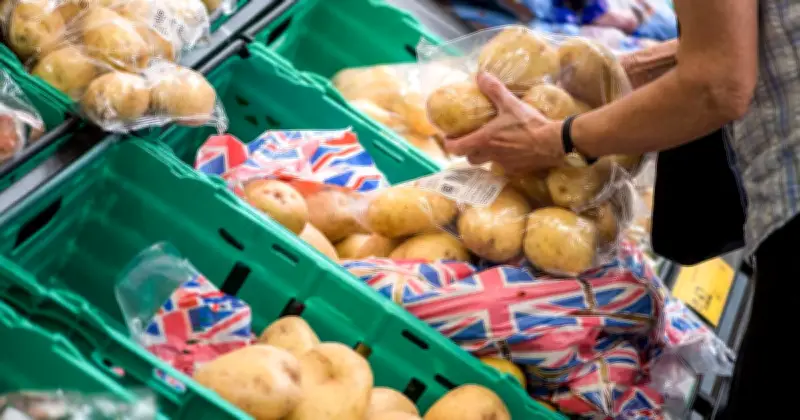
If dry weather persists, shoppers should expect some staples to become harder to find and more expensive. Monks said: “Produce such as carrots, onions, and potatoes will likely be hit the hardest due to dry soil shrinking crop sizes, while leeks, cabbage and cauliflower could also become harder to find.”
Salad crops such as lettuce may also face a price hike, as they could be replaced by pricier imports due to heavy irrigation requirements. Cupboard essentials like bread, pasta and cereal could be affected too, as wheat and barley crops come under heat stress.
Supply chain ripple effect
Monks explained: “What people don't always realise is how far a shortage travels down the supply chain. It's not just the farmer who feels it, it's the wholesaler, the local greengrocer, the small bakery. If one link can't get stock at a price that works, insolvencies can ripple right along that chain.”
“When margins are already this tight, a bad harvest can be the difference between a farm or supplier surviving the year or not. Poor growing seasons tend to put real pressure on cashflow in the months that follow, as contracts become harder to fulfil and costs rise faster than income.”
Food prices already rising
The warning comes as UK food prices are on track to be 50% higher by November 2026 than at the start of the cost-of-living crisis in 2021, according to research from the Energy and Climate Intelligence Unit (ECIU). Staples including pasta, frozen vegetables, eggs and beef have all seen steep rises.
Monks added: “Consumers should expect this to exacerbate an already difficult economic situation. Where supply drops, and demand stays the same, prices rise. But it also increases the risk of business failures among smaller food producers and retailers who can't absorb the extra cost.”
Environment Agency warns of severe impact
Last week, the Environment Agency warned that the weather is already impacting water supplies and food production. Not just sunshine and lack of rain, but wildfires have 'ripped through' farmland, while ponds and wetlands have dried out.
The agency said that farmers have begun harvests early and warned that cereal yields will be 'lower than expected', which could push prices up. It reported: “The recent extreme weather is having a severe impact on our environment and affecting water supplies and food production.”
“Wildfires have ripped through several areas, including dozens of delicate protected sites, and prime agricultural land. The third heatwave of the year has seen ponds and wetlands dry out, which will impact bird breeding, while some rivers have dried up in places.”
“A lack of July rainfall, combined with the heat, is also putting pressure on public supplies – with demand for water soaring up to 30% on the hottest days.” It added: “Farmers have had to begin their harvests early, with warnings that cereal yields will be lower than expected.”