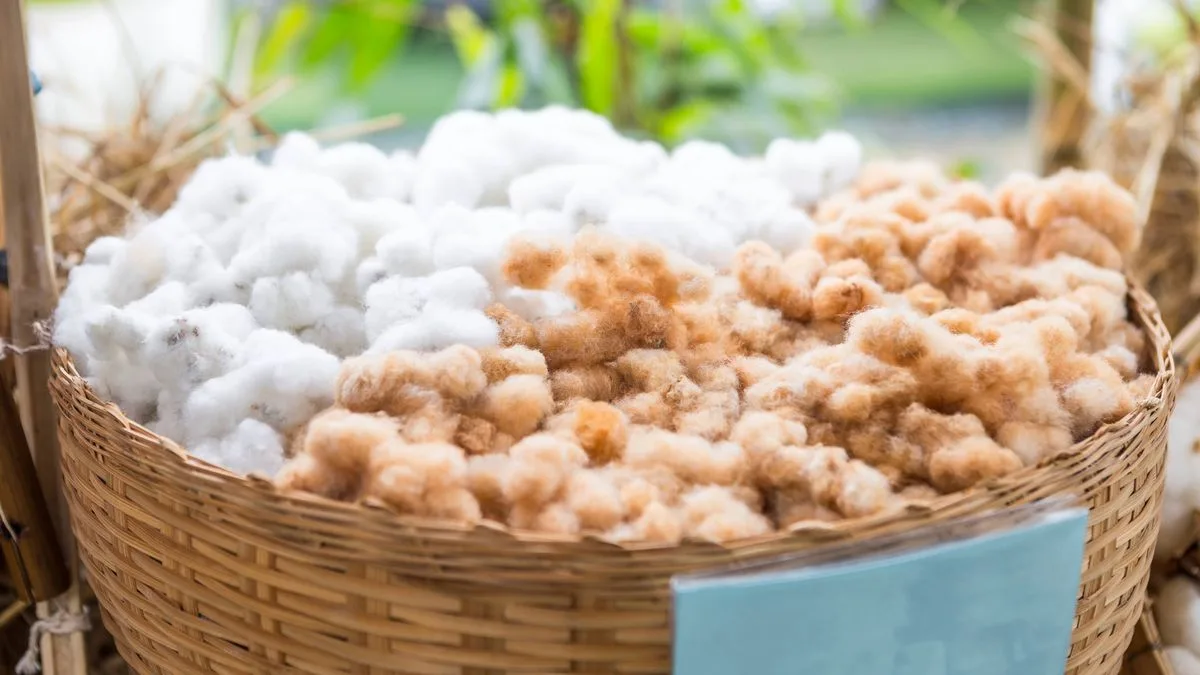
Gardeners are being encouraged to use sheep's wool in their gardens this spring, as it offers multiple benefits including nutrient release, moisture retention, weed suppression, and slug deterrence. The natural oils in wool are rich in nitrogen, a key nutrient for foliage development, which is especially important during the spring growth period.
Sophie Nicol, a farmer and co-owner of Windrush Farm, uses wool in her own garden, describing it as a 'soft, earthy quilt' placed around fruit bushes, vegetable beds, and young trees. She notes that wool not only feeds plants but also keeps the soil hydrated, reducing watering frequency.
Wool also suppresses weeds and creates a barrier against slugs and snails. 'The texture seems to throw slugs and snails off course—an added bonus,' Nicol said. This natural method avoids the use of harmful chemicals or pesticides that can damage local wildlife.
The ideal time to purchase wool is during late April and May, when UK farmers shear their sheep. Wool is available from garden centres or farming websites in raw form, pellets, or ready-made mats. To apply, remove weeds, spread a thin layer around plants as mulch, leaving a small gap near stems to prevent rot. Watering the wool helps it decompose and release nutrients.