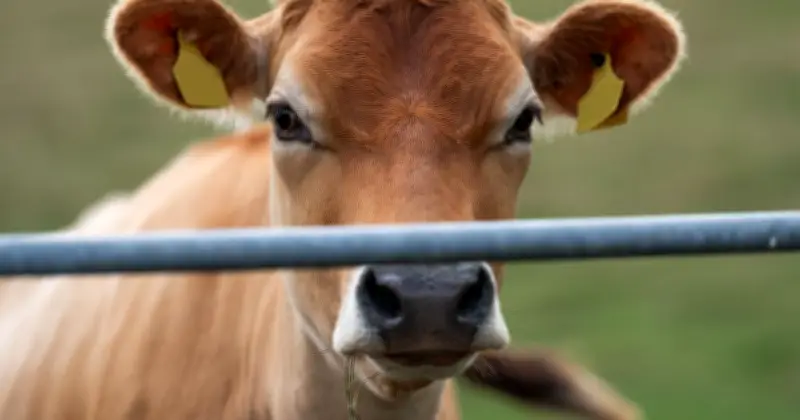
The Government has sounded the alarm over an "emerging virus" detected in cattle in Jersey. Shamonda virus (SHAV) was found in cows in Jersey in August, confirming the virus is present just a short distance from Great Britain.
Animal health chiefs have now highlighted the "potential for further spread across north-west Europe" after the virus was identified in several European countries during 2026. The virus mainly affects cattle, with symptoms including fever, diarrhoea, lethargy and reduced milk production.
Impact on cattle and dairy industry
Abortions have also been documented in infected cows, while there are concerns that infection during pregnancy could result in congenital abnormalities. However, there is currently no evidence of the virus being transmitted from animals to humans, according to separate guidance from the Animal and Plant Health Agency (APHA).
Shamonda virus is thought to be primarily spread by Culicoides biting midges. APHA said cattle in Jersey showing clinical signs consistent with those reported elsewhere in Europe tested positive for the virus in August.
The agency said: "This confirms the virus is present in the British Isles and in close proximity to Great Britain, highlighting the potential for further spread across north-west Europe."
Broader species affected and neurological concerns
The discovery could also raise concerns for Jersey's famous dairy industry, with reduced milk production among the symptoms reported in affected cattle. Shamonda virus belongs to the same group of viruses as Schmallenberg virus (SBV), which also affects livestock.
Officials warned that the symptoms associated with SHAV are not specific to the virus and can overlap with those seen in a range of other livestock diseases. Although the disease has mainly been observed in cattle, the virus has also been detected in sheep, goats, alpacas and horses in several European countries.
Of particular concern to animal health experts are cases involving horses suffering from neurological disease. SHAV has been detected in horses with neurological disease in Germany and Switzerland.
Guidance for vets and owners
Some of the neurological signs reported can resemble those seen in notifiable equine diseases, including West Nile fever, potentially complicating investigations. APHA said investigations are continuing to better understand the link between SHAV infection and neurological disease in horses.
Neurological disease has not been recognised as a feature of Schmallenberg virus infection, highlighting a potentially important difference between the two related viruses. Shamonda virus itself is not a notifiable disease in the UK.
Diagnostic testing for the virus has now been developed and is available through APHA. However, APHA is urging vets to investigate livestock and horses displaying clinical signs compatible with infection.
Livestock and horse owners concerned about illness in their animals are being advised to contact their private vet. The agency added: "If you suspect a notifiable disease in your animals, you must report it immediately to APHA by calling 03000 200 301."