
Official figures show rod catches of wild salmon in Scotland slumped to just 28,020 in 2025, the lowest since records began in 1952. The number is 68 per cent below the previous five-year average, according to data released by the Chief Statistician.
Conservationists and government bodies have warned of salmon's potential extinction in many Scottish rivers within the next two decades. Catches have decreased from a high of 111,405 in 2010, with the latest report consistent with a general pattern of decline.
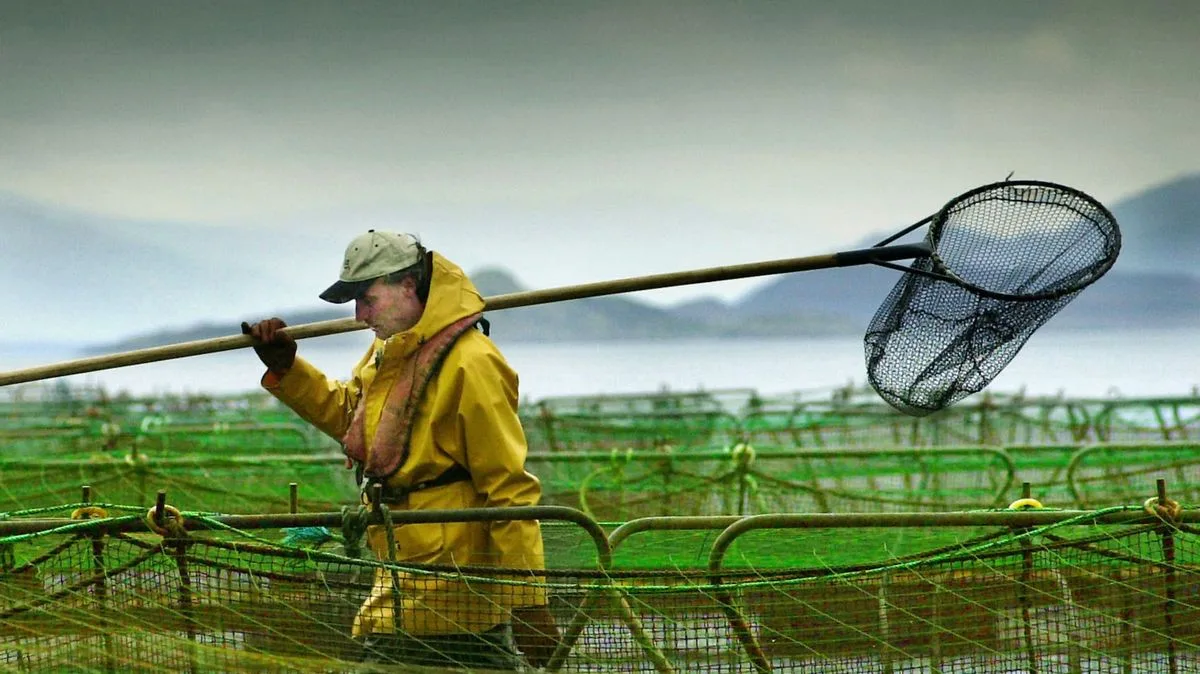
Campaigners point to open-net salmon farming as a major factor. Abigail Penny, executive director of Animal Equality UK, said: 'The Scottish salmon farming industry's response to criticism is as predictable as it is hollow – deflect, deny, delay.' She noted that last year the industry recorded 47 major non-compliance breaches, a 40 per cent increase in the use of carcinogenic formaldehyde, over 1,200 sea lice breaches and 12 million farm mortalities.
Nick Underdown, Scotland director for WildFish, said: 'Salmon farming is acknowledged as a major cause of this catastrophic decline through genetic dilution and transmission of sea lice parasites to wild populations.' Despite anglers releasing 98 per cent of salmon and 92 per cent of sea trout, campaigners say the damage occurs before fish reach the rod.
A spokesperson for Salmon Scotland, the industry trade body, said: 'We share concerns about the long-term decline in wild salmon but it is wrong to suggest salmon farming is driving it.' The figures show fish of 'farmed origin' – likely escaped from pens – represented 1.6 per cent of the total catch.




