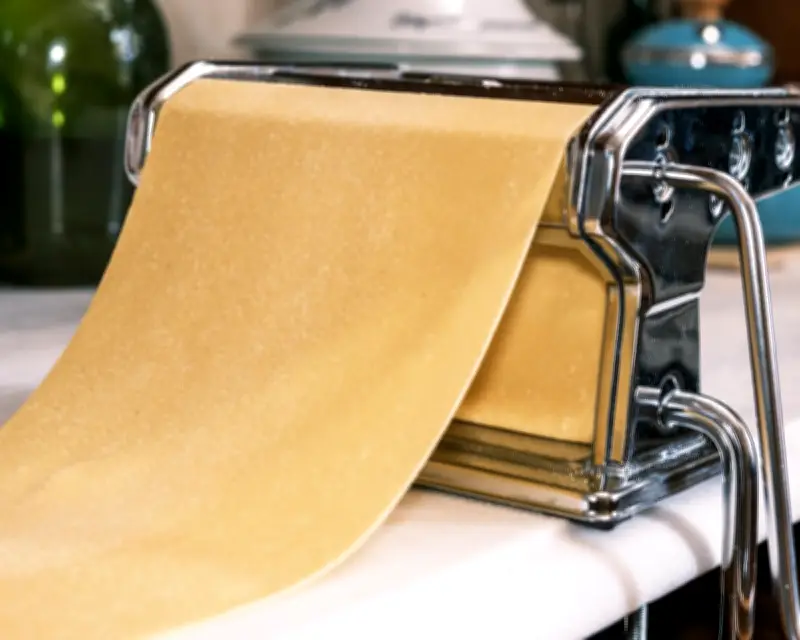
Rolling fresh pasta by hand or machine can be frustrating, but understanding a few scientific principles makes it easier. Gluten development is key; too much kneading creates tough dough, while too little causes tearing.
Hydration and Resting
The water-to-flour ratio determines elasticity. A 35% hydration dough (by weight of flour) is standard. Resting the dough for 30 minutes allows gluten to relax, reducing springback during rolling.
Rolling Technique
Start at the thickest setting and gradually decrease. Dust with semolina or flour to prevent sticking. Roll in one direction, then fold and rotate to maintain shape. If the dough tears, let it rest again.
Thickness Matters
For most pastas, aim for 1-2 mm. Thinner sheets cook faster but are harder to handle. A pasta machine ensures even thickness, while hand rolling requires practice.