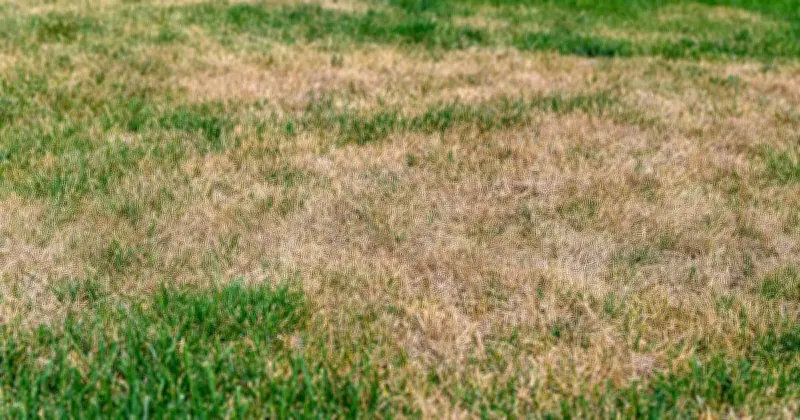
The drier months this summer have left many lawns with empty patches, uneven growth, and scruffy grass. A simple solution exists: scattering grass seed, a technique known as overseeding.
Gardening expert Geoff Hodge, writing for Richard Jackson Garden, explains that overseeding is a proven method used by professional greenkeepers. It tackles bare patches, uneven growth, and tired-looking turf, creating a thicker, healthier, and more vibrant lawn.
How to overseed your lawn
Scatter fresh grass seed over your existing lawn at a rate of 15–25g per square metre (or ½–¾oz per square yard). Lightly work the seed into the soil using the back of a rake to ensure good contact. Water well to help germination and keep the area moist during the growing period.
"Overseeding is the secret weapon," Mr Hodge explains. "It fills in the gaps, thickens the sward, and helps crowd out weeds and moss."
Timing and benefits
Overseeding is best done in spring or early autumn when the soil is warm and moist. Within weeks, homeowners can see noticeable improvement. The method is particularly effective for older lawns affected by soil compaction, foot traffic, and weather. Combined with regular mowing, watering, and feeding, overseeding can rejuvenate a tired lawn.